
























 0
0
The European Commission published its annual report on Member States' cooperation and information exchange on official controls in the agri-food chain. The report reviews the Alert and Cooperation Network (ACN), the EU-wide framework through which the Commission and Member States work together to protect food safety by sharing alerts and notifications of non-compliance, as well as investigating issues swiftly.
This year's report reveals an 11% increase in the overall number of notifications (10,490) in 2025 compared to the previous year. Notifications on food safety risks, via the Commission's Rapid Alert System for Food and Feed, rose by 2% last year, reaching 5,344. This increase shows the vigilance of EU control authorities in detecting food and feed safety issues and the added value of coordination at the EU level. As in previous years, fruits and vegetables accounted for the largest number of non-compliance notifications (18%).

Meat-related notifications
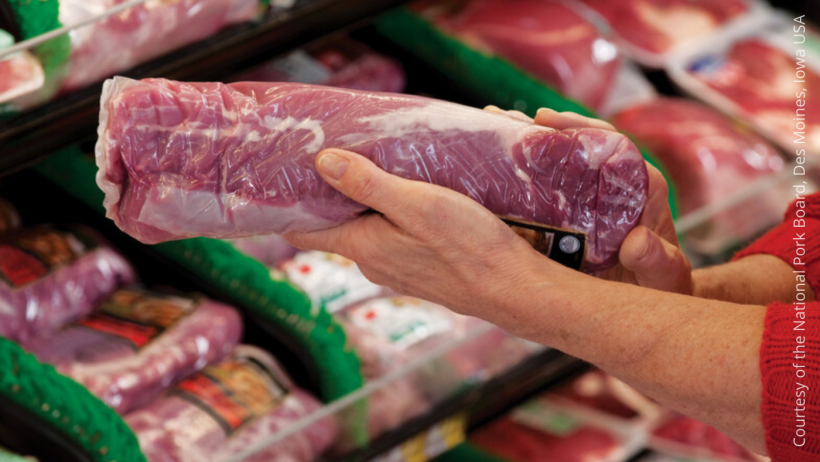
In 2025, meat-related notifications accounted for 10.4% of all alerts in the ACN, comprising 5.8% for poultry and 4.6% for other types of meat. Pork accounted for an approximately 13% share of the meat products reported in the ACN.
Microbiological hazards account for almost half of notifications, with Salmonella being the main reported issue, and appearing mainly in poultry. Shiga toxin-producing E. coli (STEC) and Listeria monocytogenes are commonly reported in beef and pork products, while Campylobacter is mainly found in poultry. These findings may indicate hygiene issues during processing, highlighting the importance of proper handling, storage, and processing conditions to maintain food safety.
Animal welfare notifications
The Animal Welfare Network saw a major surge in activity during 2025, recording 929 notifications in total. This marks a substantial increase since the network’s establishment in October 2024, particularly following the mandatory adoption of the system in February 2025.
The three most frequently reported species and animal categories are fattening pigs (41%), followed by fattening broilers (20%), and dairy cows (14%). Transport-related non-compliances overwhelmingly dominated the data, representing 95% of all notifications, while farm and slaughter incidents account respectively for only 4% and 1%. This disparity stems from the network’s primary function of tracking cross-border non-compliances.
June 26, 2026/ European Commission/ European Union.
https://ec.europa.eu