

























 0
0
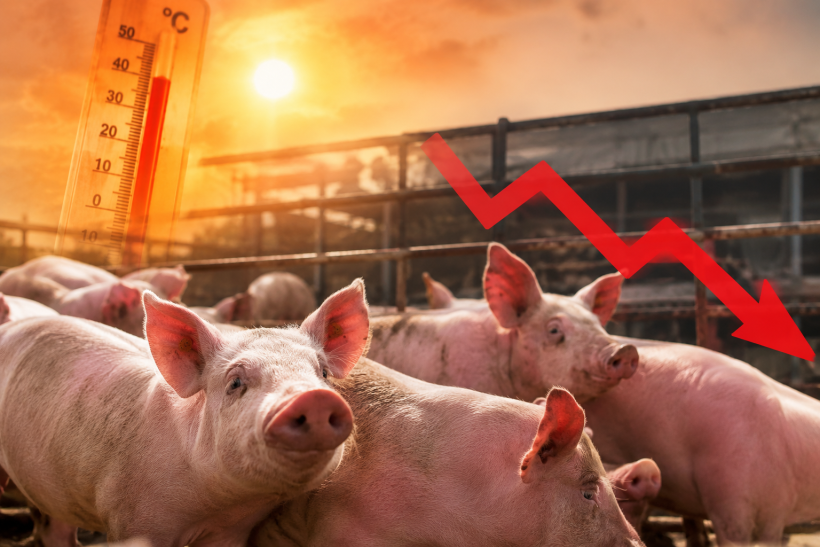
The German pig market went through one of its most difficult periods in recent years during July. Right from the beginning of the month, sentiment across the industry was extremely tense.
Pressure intensifies across all pig market segments
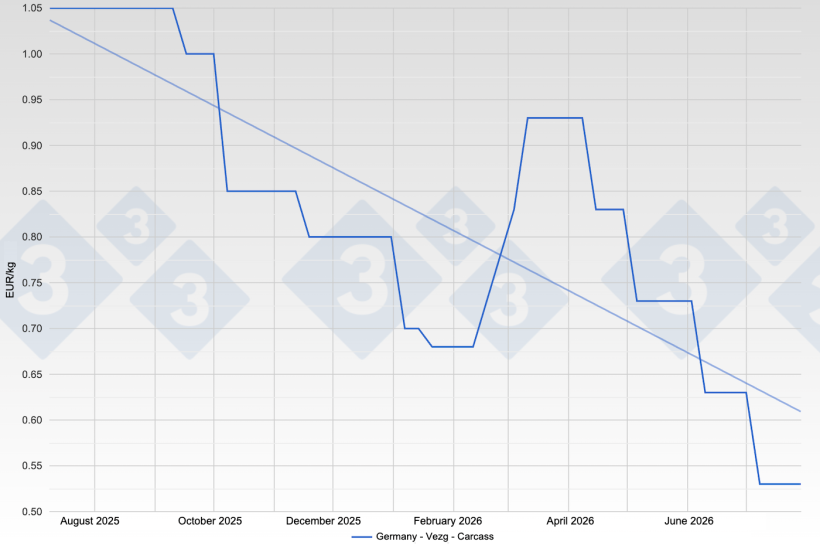
Many pig producers had already been operating well below their production costs for an extended period and had hoped that the reduced supply of market ready pigs caused by the prolonged heat would at least provide some market support. Indeed, the high temperatures significantly slowed weight gains, leading to steadily declining slaughter weights. Under normal market conditions, such a development would have supported prices. This time, however, other factors proved stronger. Demand for pork remained weak. With the start of the summer holiday season, sales declined noticeably both in the retail sector and in the food service industry. At the same time, the major slaughter companies continued to increase pressure on producers. The pig price initially managed to hold at €1.50 but later in the month suffered a sharp decline to €1.40. For many producers, this price collapse further intensified an already existential financial situation. Market reports reflected this reality, describing widespread frustration and growing discouragement among pig farmers.
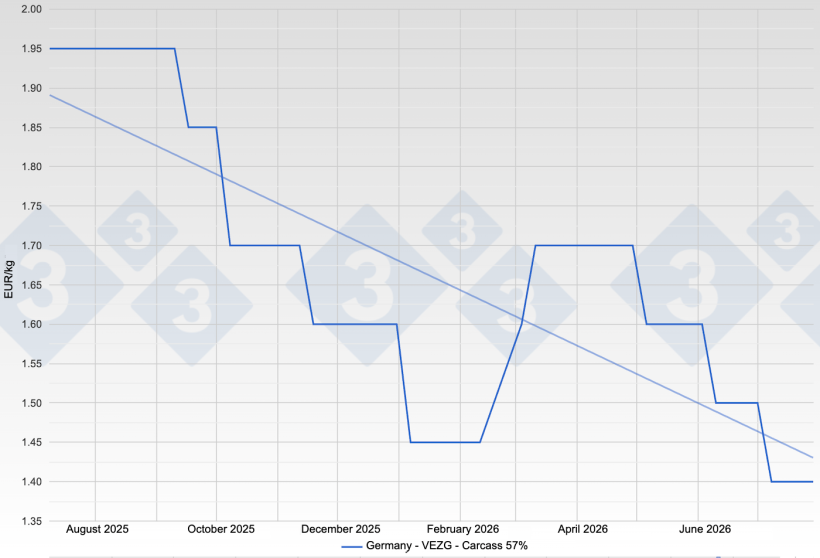

The piglet market also remained exceptionally weak throughout the month. Supply was abundant, while demand from finishers continued to decline. Faced with poor profitability, many producers delayed restocking or purchased piglets only very cautiously. Additional pressure came from competitively priced piglets imported from other European countries, further intensifying competition. As a result, piglet prices fell and marketing became increasingly difficult. Consequently, the outlook deteriorated for both piglet producers and finishers alike. Uncertainty continued to grow during the month, with many market participants no longer expecting a short term recovery.
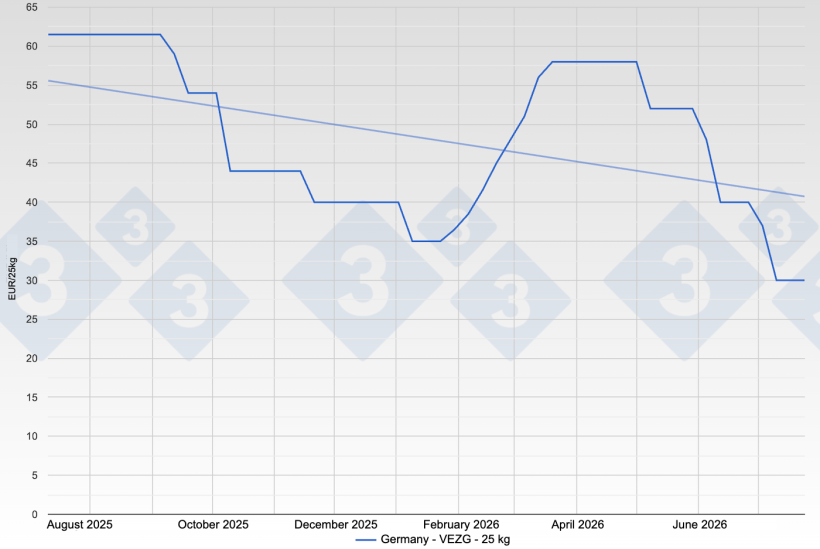
The sow market was equally challenging. Demand for sow meat remained weak, while competitively priced imports from other European countries increased supply. This led to growing inventories and sluggish sales. Slaughter companies responded by exerting further downward pressure on prices, causing sow prices to decline as well. As a result, every segment of the German pig sector came under significant financial strain.
Supply, demand, slaughter dynamics and structural challenges
One of the most remarkable aspects of the month was that the limited supply of slaughter pigs was no longer able to support the market. The heatwave had significantly reduced daily weight gains, leaving fewer pigs ready for slaughter across many regions. At the same time, marketing organisations reported that the live pig market was regionally even balanced. Nevertheless, producers were unable to translate this tighter supply into higher prices. Slaughter companies repeatedly referred to difficult conditions in the meat market and in some cases announced reduced slaughter numbers. This created considerable psychological pressure on the market and ultimately resulted in the sharp reduction of the pig price. Ironically, shortly after the price cut, slaughterhouses in several regions were once again actively looking for pigs because supplies had tightened noticeably. This development illustrated how strongly price formation during the month was influenced by the market strategies of the major slaughter companies.
Besides market developments, structural issues also attracted attention. The Initiative Tierwohl animal welfare programme recorded an exceptionally high number of newly certified piglet rearing farms, representing another step towards comprehensive origin certification within the system. However, the decisions of the major slaughter companies had a much greater impact on overall market sentiment. Tönnies and Westfleisch justified their demands for lower producer prices by pointing to difficult conditions in the meat market. Another clear warning signal came from the insolvency of Geestferkel GmbH, one of Germany's largest piglet producers with operations in several federal states. The company cited persistently low pig prices, a lack of long term planning security and substantial financial losses as the reasons for its insolvency. The case demonstrates how severe the economic pressure has become, even for large and highly invested businesses, and highlights the deep structural challenges currently facing German pig production.
European market adds further pressure
International developments also remained difficult. In many European countries, the prolonged heat likewise reduced weight gains and limited the supply of slaughter pigs. At the same time, pork demand across Europe remained disappointing. While France and Italy recorded temporary price improvements, Belgium and Denmark continued to face pressure. Spain was of particular concern. Due to limited export opportunities outside Europe, larger volumes of Spanish pork entered the European internal market once more. This additional supply significantly increased competitive pressure and made price stabilisation in Germany even more difficult. The situation demonstrated that a reduced supply of live pigs alone was insufficient to support prices as long as the European meat market remained well supplied. Consequently, developments in neighbouring countries had a direct impact on marketing opportunities in Germany.
Prospects for the coming weeks
The outlook for the coming weeks therefore remains cautious. On the one hand, the supply of slaughter pigs is expected to stay relatively limited as the effects of the heatwave continue to be felt. On the other hand, weak pork demand, the ongoing holiday season with fewer slaughter days and the ample supply of pork across the European market continue to weigh on prospects for a rapid recovery. The key question will be whether demand from retailers and the food service sector improves once the holiday period ends and whether competitive pressure from imported pork begins to ease. Only then is there likely to be room for producer prices to recover. Until that happens, the German pig market is expected to remain characterised by considerable uncertainty. Following the sharp decline to €1.40, most producers are no longer focused on rising prices but simply hope that the market can stabilise and that the financial burden will not become even heavier. In the medium term, however, the continuing decline in pig numbers, now reflected by the first insolvencies within the sector, is likely to reduce supply and eventually provide a stronger foundation for prices. Even so, the current situation remains one of the worst the German pig industry has experienced in many years.