

























 1
1
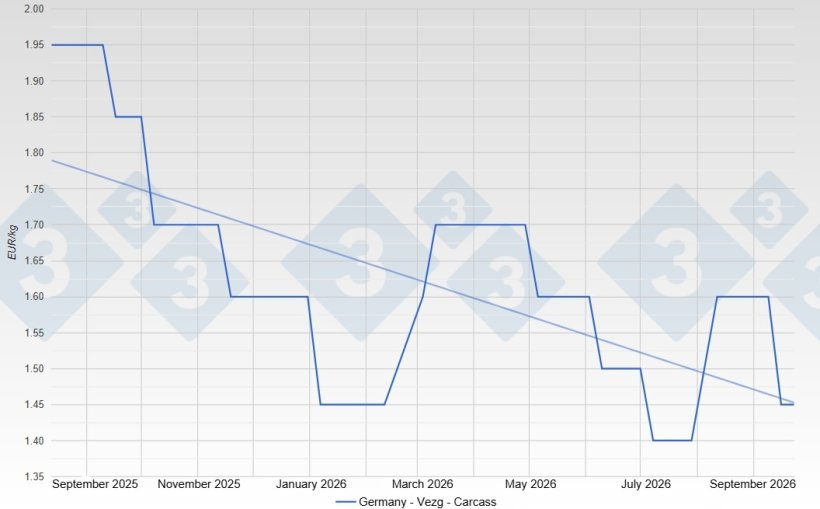
September began surprisingly calmly on the German pig market. After the hot summer weeks, the supply of slaughter-ready pigs increased again as temperatures became cooler. At the same time, slaughter weights gradually rose and slaughter numbers also moved higher. At first, the market was able to absorb these additional volumes without major difficulty. Slaughter companies had sufficient animals available, and finishers were largely able to market their pigs without problems. The reference price initially remained at €1.60. Behind this stable appearance, however, conditions were becoming increasingly difficult.
Higher pig supplies put pressure on pig prices
The meat market in particular developed into the weak point. After the end of the barbecue season, stronger demand impulses were lacking and the switch to autumn product ranges also failed to generate the hoped for momentum. At the same time, increasing quantities of pork were becoming available. Slaughter companies therefore reported increasingly difficult business conditions, intense competition and problems marketing individual cuts. By the middle of the month, the gradual pressure finally resulted in a significant correction. A growing supply of live pigs met a well-supplied meat market, while slaughter volumes were reduced in some regions and individual batches were cancelled. The reference price consequently fell sharply to €1.45. The situation calmed somewhat afterwards, but this did not yet amount to any real relief. Supply remained plentiful and demand for pork continued to be subdued.

Piglet prices fall to €30 as the cull sow market also weakens
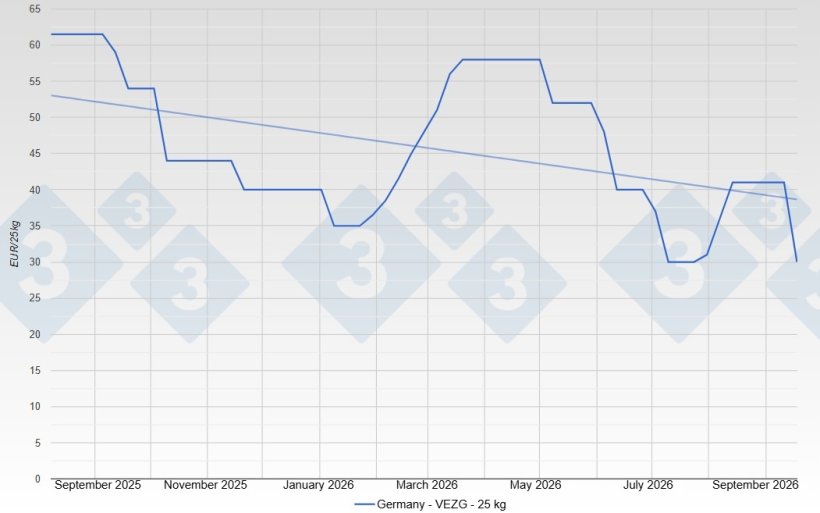
Piglet production felt this change particularly strongly. At the beginning of the month, the piglet market was still relatively balanced. The price for 25-kilogram piglets initially stood at €41.00. Even at that stage, however, freely traded batches were becoming more difficult to market and cheaper piglets from other European countries created additional competition. The sharp fall in the slaughter pig price then changed sentiment abruptly. Finishers became more cautious about placing new pigs and demand for piglets weakened. By the end of the month, the price for 25-kilogram piglets had fallen to €30.00. Within a short period, the pressure on prices had therefore reached the upstream production stage as well.
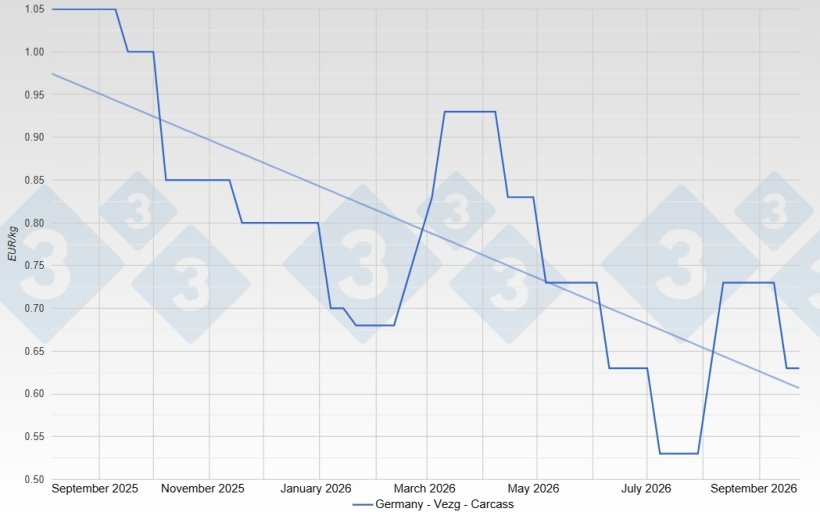
The cull sow market was also unable to escape the weaker development. Although the available animals continued to find buyers, the trade in sow meat remained disappointing. The expected seasonal improvement in demand from processors was slow to materialise and cheaper offers from other European countries added further pressure.
Fewer and fewer pig farms in Germany
Alongside the immediate market situation, political and structural issues also moved further into focus during September. The continuing structural change in German pig farming became particularly evident once again. According to the final results of the livestock census, there were only around 14,550 pig farms in Germany in May. Their number had once again fallen significantly compared with the previous year, while the overall pig population had changed very little. This means that production continues to become concentrated on fewer and larger farms. The trend remains particularly pronounced in sow farming.
Structural and policy challenges gain importance
At the same time, new contract conditions from Tönnies triggered debate. The company had terminated existing supply contracts with pig finishers and offered new agreements. Following a review, DBV, WLV and ISN identified a need for changes in several areas. The organisations therefore intend to develop basic principles that can serve as guidance for farmers when assessing such contracts in future.
The transformation of animal husbandry also remained an important issue. By the end of the application period for the federal support programme, the number of funding applications had risen sharply. The investments ahead and the new housing requirements are particularly important for sow farmers. In addition, calls for a tax-based risk equalisation reserve gained attention. This is intended to allow agricultural businesses to build up reserves during economically stronger periods for use in more difficult times. The abrupt fall in prices during September demonstrated how quickly economic conditions on the pig market can change.
Pressure also increases across the European market
There was little relief from the rest of the European Union during September. Following the end of the summer heat, the supply of slaughter-ready pigs increased again in many countries. At the beginning of the month, there were still clear differences across Europe. While Germany, the Netherlands and Denmark reported largely stable markets, tighter pig supplies in Spain, France and Italy initially supported firmer developments. As the month progressed, however, conditions also became more difficult there. Overall, the European meat market was well supplied and competition for sales opportunities intensified. At the same time, trade with countries outside the European Union remained difficult. European pork faced strong competitive pressure on the world market. Although Germany was able to expand its exports to countries outside the European Union, the European internal market remains by far the most important sales area. When larger volumes meet subdued demand there, the effects are therefore felt directly on the German market.
An autumn marked by uncertainty
The outlook for the coming weeks consequently remains tense. The fall in the slaughter pig price to €1.45 has created a new starting point for the market, but it does not yet guarantee that a stable floor has been reached. A key question will be whether the seasonally larger supply of live pigs can continue to be absorbed without growing surpluses.
At the same time, the meat market needs to develop greater momentum. Without stronger demand or additional export opportunities, it is likely to remain difficult for pig prices to regain upward potential.
The sharp decline in piglet prices also deserves attention. More cautious placement decisions are putting short-term pressure on piglet producers in particular, although over time they could help to reduce the supply of finished pigs. September therefore ended in a much more difficult position than it began. Within only a few weeks, a market that had initially appeared balanced developed significant price pressure. Whether this turns into a prolonged period of weakness or whether supply and demand move closer together again will depend primarily on pork sales, slaughter numbers and developments across the European market.