

























 0
0
August finally brought a turnaround to the German pig market. Following the sharp declines of the previous months, the market entered August at an exceptionally low level. However, sentiment began to change early in the month.
German pig prices recover as supplies tighten
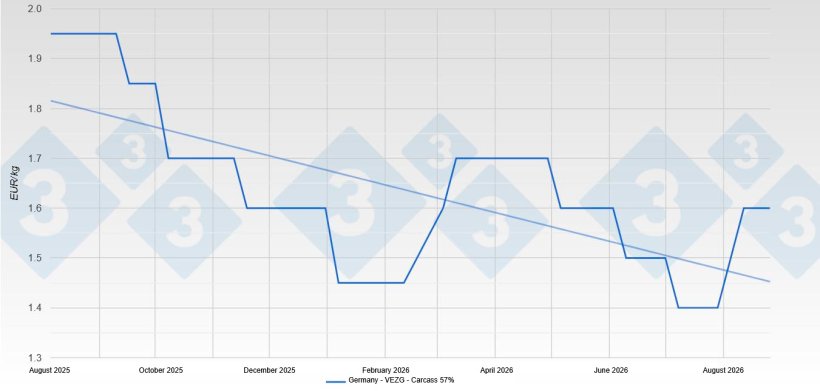
The supply of slaughter-ready pigs became tight and available animals were increasingly marketed quickly. The summer heat played a decisive role in this development. High temperatures slowed daily weight gains on farms and kept slaughter weights low. At the same time, demand began to improve. As the holiday period came to an end in some regions, consumers returned and meat processors also increased their activity. Supplies of fresh pork became tighter and higher-value cuts found better demand. This combination triggered a surprisingly strong price recovery. The German reference price for slaughter pigs rose from 1.40 € to 1.60 € over the course of the month. For producers, this was an important signal after the prolonged difficult period, although the economic situation was still far from comfortable. During the second half of August, the upward movement gradually lost momentum. Supply initially remained tight, but as temperatures eased, growth rates began to normalise. By the end of the month, supply and demand were once again largely balanced. Pig prices nevertheless managed to hold on to the level they had reached.

Piglet and sow markets follow the upward trend
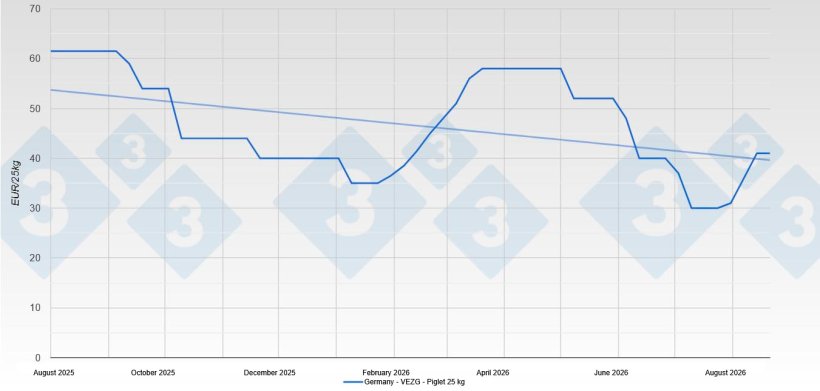
The piglet market followed this development with a slight delay but then gained remarkable momentum. Finishers showed increasing interest in restocking and available batches of piglets could be marketed much more quickly. The price for 25-kilogram piglets climbed from 30.00 € to 41.00 € in several steps during the month. The improved sentiment on the slaughter pig market was therefore directly reflected in stronger demand for piglets. Towards the end of August, however, this market also began to calm down. Supply and demand moved back into better balance and, following the substantial increases, the quotation stabilised at 41.00 €.
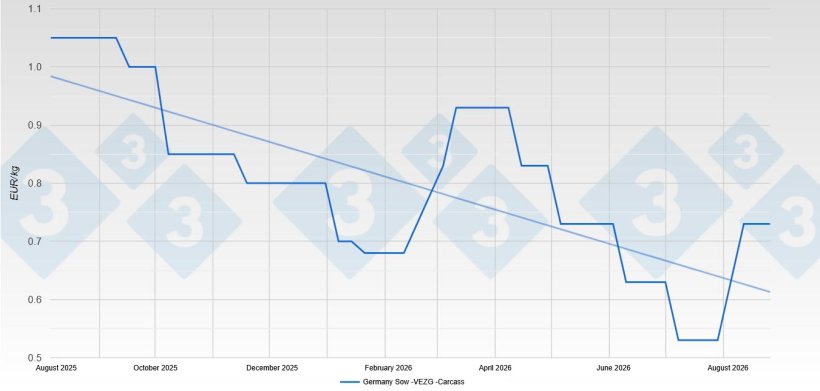
The sow market followed a similar pattern. Initially limited supplies met gradually improving demand for sow meat. As the holiday season came to an end, processing activity picked up again and positive impulses were also reported from export markets. The sow price rose significantly during the month to 0.73 €.
New Tönnies contracts raise concerns among producers
Alongside the price recovery, Tönnies became a major talking point in August. The company terminated existing supply contracts with pig finishers and presented the affected farmers with new supply and purchase agreements for signature. These new contractual conditions attracted criticism from industry representatives. The ISN and the German Farmers’ Association identified several areas requiring changes and explicitly advised pig farmers not to sign the new contracts for the time being. The Westphalian Lippe Agricultural Association later became involved in reviewing the agreements as well. By the end of the month, the issue had not been resolved and the associations continued to recommend waiting for the outcome of the review. The development is significant for the pig market because it goes beyond Tönnies itself. It raises the fundamental question of how relationships between pig farmers and slaughter companies will be structured in future and how much freedom producers will retain when it comes to marketing and price formation. In a market undergoing structural change, where large slaughter companies have considerable influence over marketing, such contract models carry particular weight. The available documents do not report any merger or takeover involving Tönnies during August.
Economic pressure on pig farmers remains in focus
The difficult situation facing pig farmers also moved further up the political agenda. At a round table held by the German Federal Ministry of Agriculture, Food and Regional Identity, representatives from across the value chain called for rapid relief measures in view of the difficult economic situation and continuing structural change. Discussions focused on measures to safeguard farm liquidity, continuing the agricultural export strategy to reopen important third country markets and avoiding additional bureaucratic burdens. The financing of higher animal welfare standards also remains an important issue. For piglet producers, the extended financing through the piglet fund initially provides greater planning security. However, the fundamental challenge remains unchanged. Additional animal welfare measures ultimately need a sustainable financing model that is supported by the market.
Tight supplies support pig prices across Europe
Germany also received support from developments elsewhere in Europe during August. The heat resulted in lower slaughter weights and tight supplies of live pigs in numerous countries. Pig markets in the Netherlands, Belgium, Austria and France consequently developed positively. Particular attention should be paid to the continuing decline in the Dutch pig population. Numbers of finishing pigs, piglets and sows have all fallen significantly. Government programmes encouraging farms to cease production have accelerated this structural change. A permanently smaller Dutch pig population could also affect supplies across northwestern Europe in the medium term. The situation in Denmark was quite different. Price developments there remained considerably more subdued. The highly export-oriented market suffered from difficult sales opportunities in Asia and market participants warned against assuming that the summer shortage of pigs would become a permanent feature. At the same time, Chinese pork imports continued to decline. China is increasingly able to meet its demand through domestic production, making the country a less reliable outlet for European pork.
A more balanced market expected after the summer heat
Looking ahead, there are several indications that the German pig market could initially enter a calmer phase. The exceptional summer heat provided the decisive impulse for the shortage of pigs, but this effect is now fading. With more favourable conditions in the barns, daily weight gains are increasing again, and the supply of slaughter ready pigs is therefore likely to grow gradually. At the same time, slaughter activity has picked up following the holiday period, meaning that the additional animals have so far been absorbed without difficulty. The key question will now be whether the meat trade and processing sector can generate enough demand to maintain this balance. The comparatively tight supply situation in parts of Europe could continue to provide support. The main risks remain weak exports to third countries and a possible seasonal increase in pig supplies. August therefore provided the German pig market with some much-needed breathing space. The short-term recovery must now develop into a more stable trend. The coming weeks will show whether the summer price increase was merely a heat-driven episode or whether it can become the starting point for a more sustainable autumn market.