
























 1
1
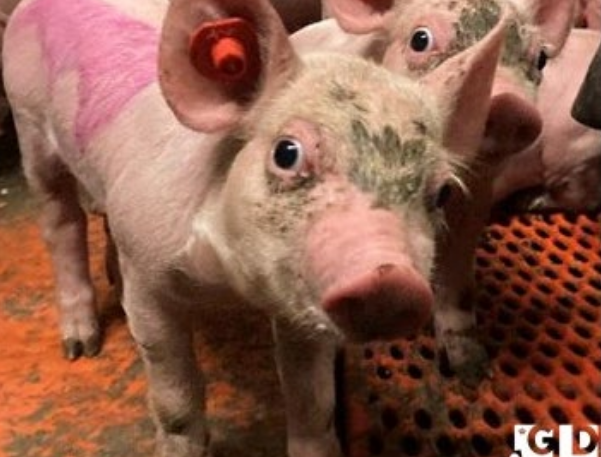
A new porcine parvovirus (nPPV), previously reported in the Netherlands, has also been identified in Denmark at a sow farm where some animals exhibited clinical signs consistent with the new syndrome, including bulging eyes, skin lesions, alopecia, and growth retardation.
The virus was detected in the livers and spleens of all pigs tested at the University of Copenhagen, and genetic sequencing revealed a close similarity to the Dutch strains. However, it is not yet known how or when the virus was introduced into Danish herds.

The syndrome, first described in the Netherlands in the fall of 2024, can affect up to 80% of the pigs in half of the litters and primarily affects younger animals.
In addition to skin and eye lesions, reduced growth, post-weaning diarrhea, and nonspecific respiratory symptoms have been observed, while mortality generally remains low. The course of the infection on a farm is 3-6 months, suggesting the development of natural immunity. By the first half of 2025, the virus had already been detected on more than 70 Dutch farms, indicating significant spread.
The new agent belongs to the parvovirus family, but is genetically distinct from classical porcine parvovirus (PPV), which causes SMEDI syndrome, and the PPV vaccines currently available do not appear to offer protection against it. Furthermore, the virus cannot be detected using the standard PCR tests employed for PPV, necessitating specific diagnostic methods, which have already been developed in the Netherlands and at the University of Copenhagen.
Although the new parvovirus has been identified in all symptomatic animals examined, a definitive causal relationship between the infection and the observed clinical syndrome has not yet been established.
Further epidemiological studies and experimental trials will be needed to confirm its pathogenic role. In the meantime, researchers urge breeders and veterinarians to be alert to the clinical signs described and to report any suspected cases, in order to clarify the spread of the virus beyond the Netherlands and Denmark.
June 18, 2026 / University of Copenhagen/ Denmark.
https://ivh.ku.dk/