

























 0

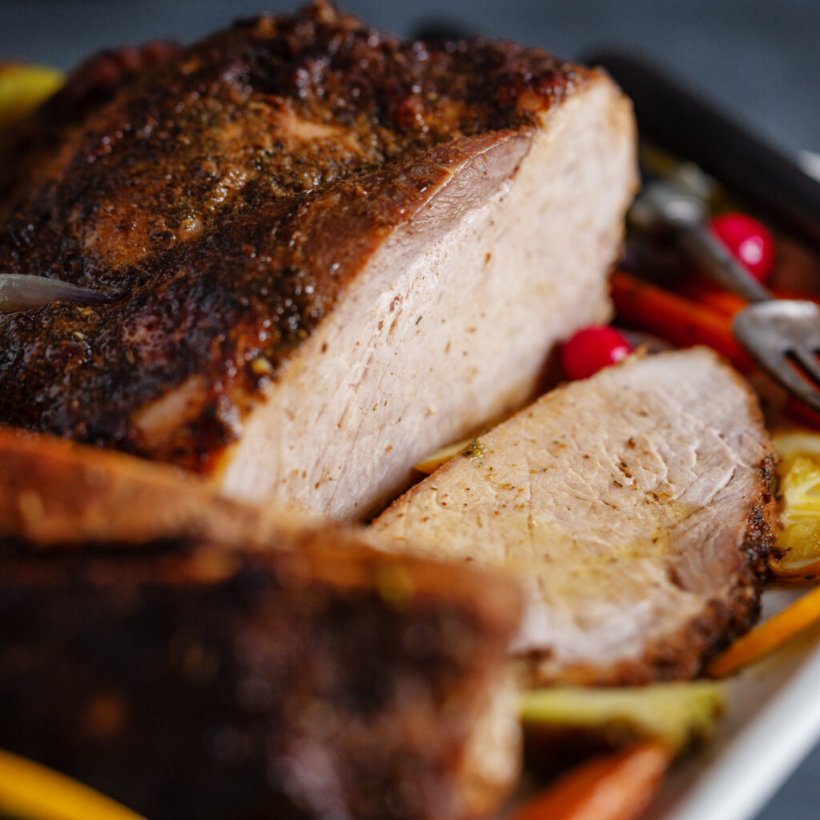
Brazilian pork exports (including all products, both fresh and processed) totaled 1.192 million metric tons between January and September 2026, a 6.2% increase compared to the 1.122 million metric tons exported during the same period last year, according to the Brazilian Animal Protein Association (ABPA).
Cumulative revenue for the period reached US$2.737 billion, up 1.3% from the US$2.703 billion in the previous year.

In September alone, 135,000 metric tons were shipped, down 11% from the same month in 2025, when 151,600 metric tons were shipped. Revenue reached US$289.3 million, down 21.5% from US$368.4 million last September.
The Philippines was the leading destination for Brazilian pork in September, with 25,691 metric tons—47.7% lower than the 49,078 metric tons recorded in the same month of 2025. Japan followed with 15,916 metric tons (+38.9%); Chile, with 14,431 metric tons (+72%); China, with 11,418 metric tons (-16.4%); and Vietnam, with 7,392 metric tons (-23.2%).
Other highlights of the month include shipments to Argentina, which rose 73.8% to 7,312 metric tons; the Dominican Republic, up 53.6% to 2,129 metric tons; Peru, up 104.6% to 1,054 metric tons; and South Africa, up 99.4% to 822 metric tons. Malaysia, a market recently opened to Brazilian pork, imported 1,918 metric tons in September.
"The monthly result comes against a high base of comparison and amid pressure on average international prices. Even so, year-to-date performance remains positive, with monthly averages above 130,000 metric tons and volume growth exceeding 6%. The gains recorded in markets such as Japan, Chile, and Argentina, in addition to the start of shipments to Malaysia, demonstrate the diversification and competitiveness of Brazilian pork,” says ABPA President Ricardo Santin.
In the breakdown of exports by state, Santa Catarina remained in the lead in September, with 64,479 thousand metric tons, 11.4% lower than the 72,784 thousand metric tons recorded in the same month of 2025. Next came Rio Grande do Sul, with 33,779 thousand metric tons (-5.5%); Paraná, with 22,737 metric tons (-10.1%); Mato Grosso, with 3,762 metric tons (-3.7%); and Minas Gerais, with 3,477 metric tons (+19.4%).
October 7, 2026/ ABPA/ Brazil.
https://abpa-br.org