






 0

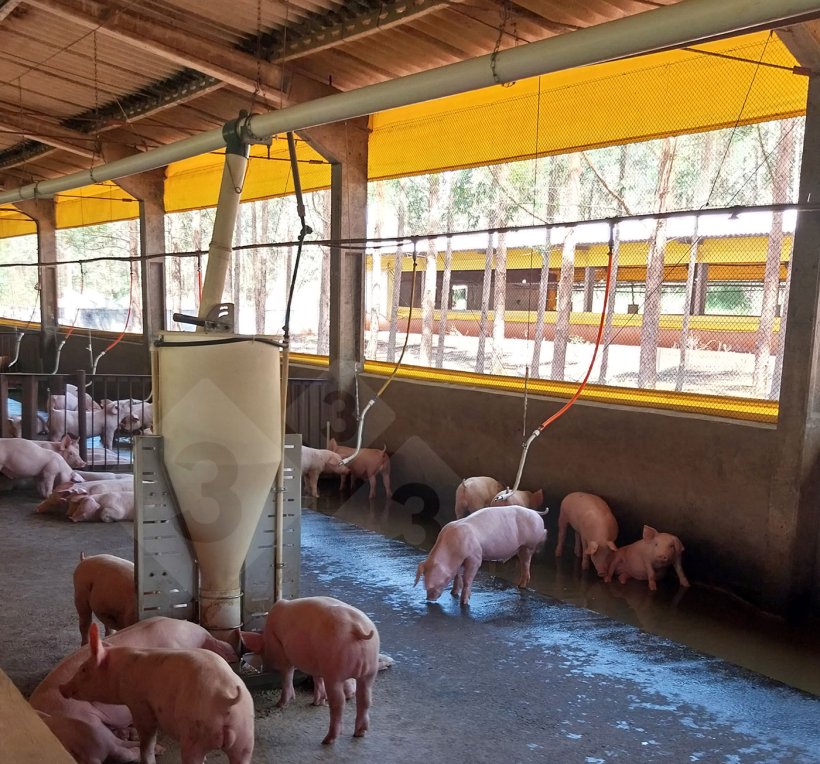
Over the course of three months, I visited pig farms in various regions of Brazil, observing production practices, work organization, and animal management. This has allowed me to draw a direct and concrete comparison, free of stereotypes: this is not a “neutral” analysis, but rather a comparative assessment, informed by my professional experience gained in Italy and Northern Europe.
I am an Italian animal scientist with over ten years of on-farm experience, ranging from national production chains with Protected Designation of Origin (PDO) status to nearly two years in Denmark, which has one of Europe’s most advanced systems in terms of production efficiency, biosecurity, and business organization. Arriving in Brazil meant facing a reality that was profoundly different in scale, climate, and context, yet surprisingly similar in terms of goals and challenges.

Pigs are the same everywhere. The models change, but the challenges don't.
A production giant, often described in superficial terms
In 2024, Brazil produced approximately 5.3 million tons of pork and exported 1.3 million tons to 89 countries, primarily in East Asia and the Americas. These figures place the country among the leading producers in the global market.
However, in Europe, Brazilian pork production is often described in simplified terms: high volumes, low costs, and less stringent regulations. Experiencing these production systems firsthand offers a much more complex—and undoubtedly more interesting—perspective.
Where and how it is produced: Regions, companies, scale
During my stay, I visited farms in the states of São Paulo, Paraná, Minas Gerais, and Goiás (Federal District), each with very different characteristics in terms of size, level of technology, and organization.
The main production centers are concentrated in the south, southeast, and central regions of the country. I observed seven independent production groups, with both farrow-to-finish and multi-site production systems, with herd sizes ranging from 1,000 to over 22,000 sows.
The scale is one of the aspects that most impresses visitors from Europe, along with the high degree of operational flexibility, which is often made possible by the availability of space and resources that are difficult to replicate in the European context.
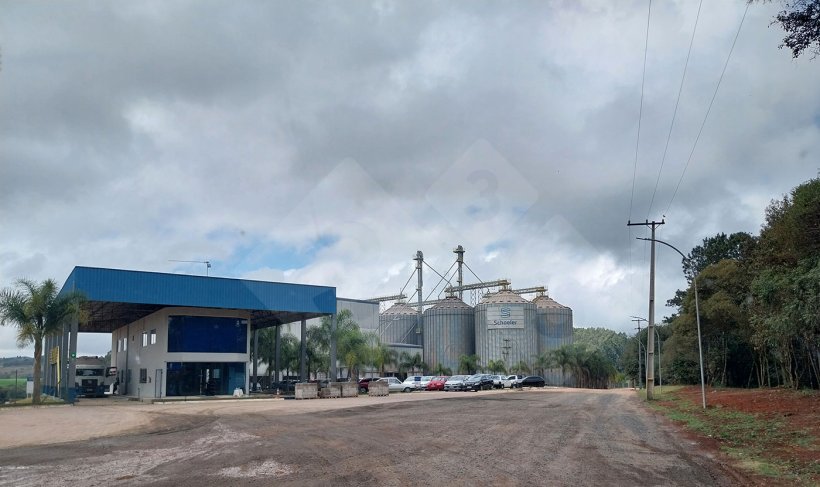
Photo 2. Farm entrance.
Producing in the tropics: When the climate sets the rules
The hot, humid climate is one of the main differences compared to Europe. High temperatures and sudden temperature fluctuations affect feed intake, fertility, and growth, which requires very precise management of ventilation, water, and feed.
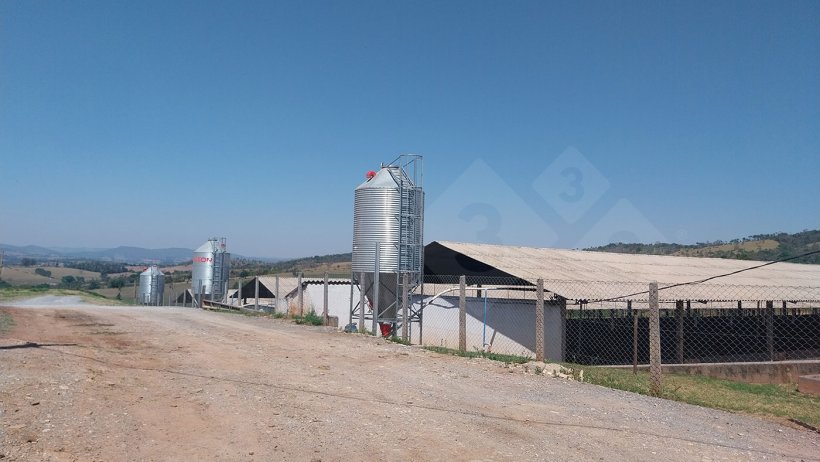
Photo 3. Exterior of gestation barn.
The facilities are designed to adapt to the climate: The barns have lateral ventilation, bird proofing and adjustable curtains, promoting the dispersion of gases and reducing ammonia concentrations. The result is typically a healthier environment and less noticeable odors compared to many enclosed European facilities.
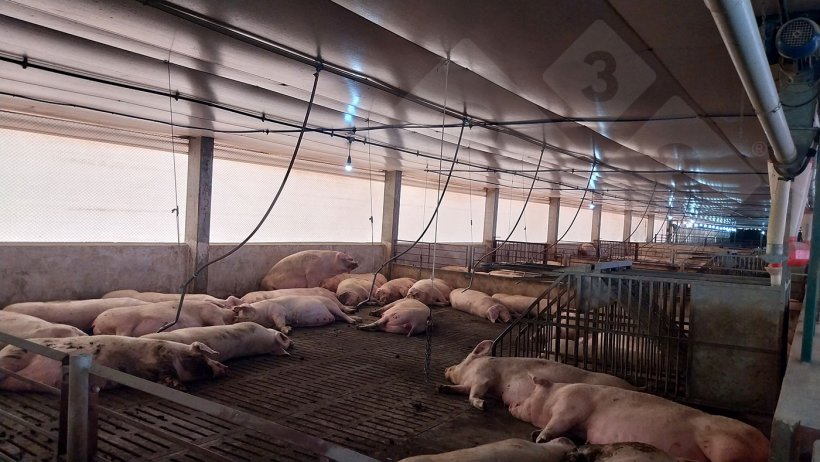
Photo 4. Inside the gestation barn with a straw bed.
Automated ventilation and heating systems are widely used in farrowing rooms and nurseries, as are mist cooling systems and frequent water quality checks.
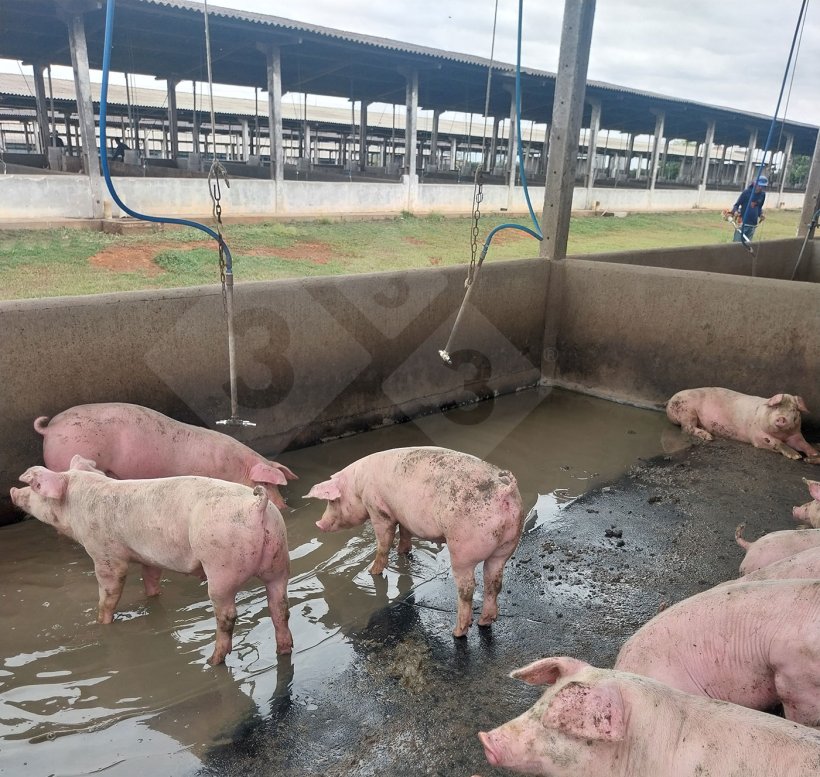
Photo 5. Finishing barn with natural ventilation.
One of the Brazilian system’s major strengths is the availability of raw materials. Most farms have their own feed mills, with feed rations custom-formulated by nutritionists and veterinarians. Feeding is fully automated; individual feeders are used in the farrowing rooms, and automatic feeding systems are used in group gestation.
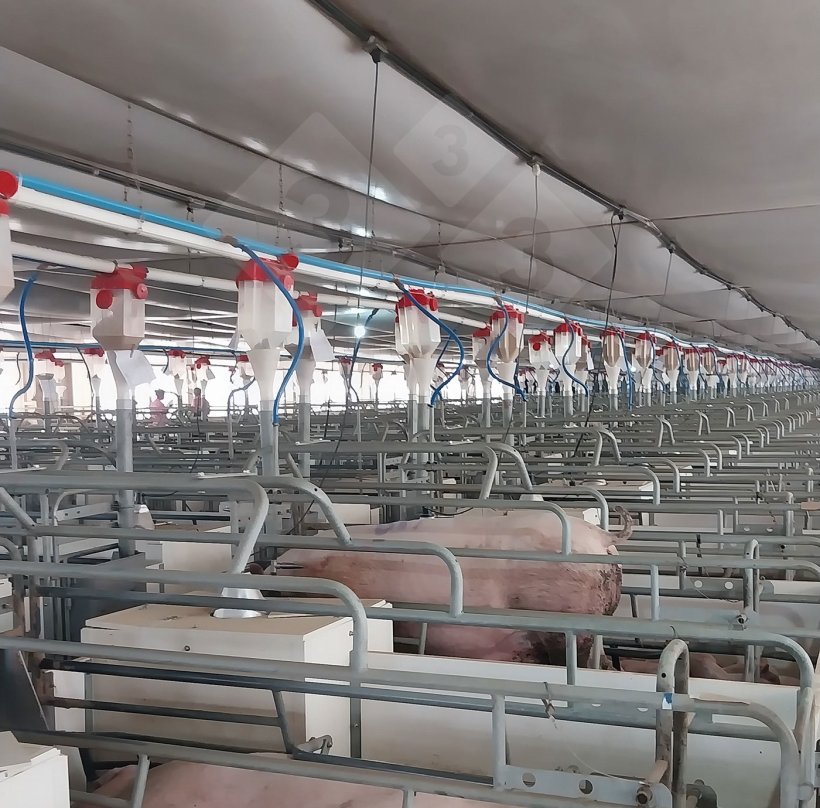
Photo 6. Farrowing: Despite the warm weather, the farrowing pens are equipped with a covered nest for the piglets.
Contrary to popular belief, the responsible use of medications is a key issue. On large-scale farms, antibiotic use is gradually declining and is being replaced by vaccines, probiotics, and preventive strategies; on smaller farms, this shift is still underway.
Animal welfare: Real change, not just regulatory changes
With normative Instruction 113 (2020), Brazil adopted the first national legislation specific to pig welfare. The change is already visible in the field.
Group gestation is becoming increasingly common, as are adjustable farrowing crates and the conversion of facilities to use permanent eucalyptus bedding.
In finishing systems, concrete floors cooled with a water layer , controlled stocking densities, and environmental enrichment are commonly used to reduce stress and abnormal behavior.
Also observed:
- Later weaning (24-28 days)
- Increased use of immunocastration
- Elimination of tooth clipping
- Techniques such as “Mate and Release,” which eliminates gestation crates and houses sows in groups immediately after mating.
Genetics and biosecurity: A strategic health advantage
Five of the farms visited participated in genetic programs keeping GrandParent and GreatGrandParent sows (GP and GGP); three had their own boar stud with a laboratory for producing semen doses. The breeding sows come from some of the most common genetic companies in Europe, with Duroc being the terminal sire used.
From a health perspective, Brazil is free of PRRS and ASF.
Strict quarantines for genetic material, limited movement of animals, and low population density help maintain high biosecurity standards.
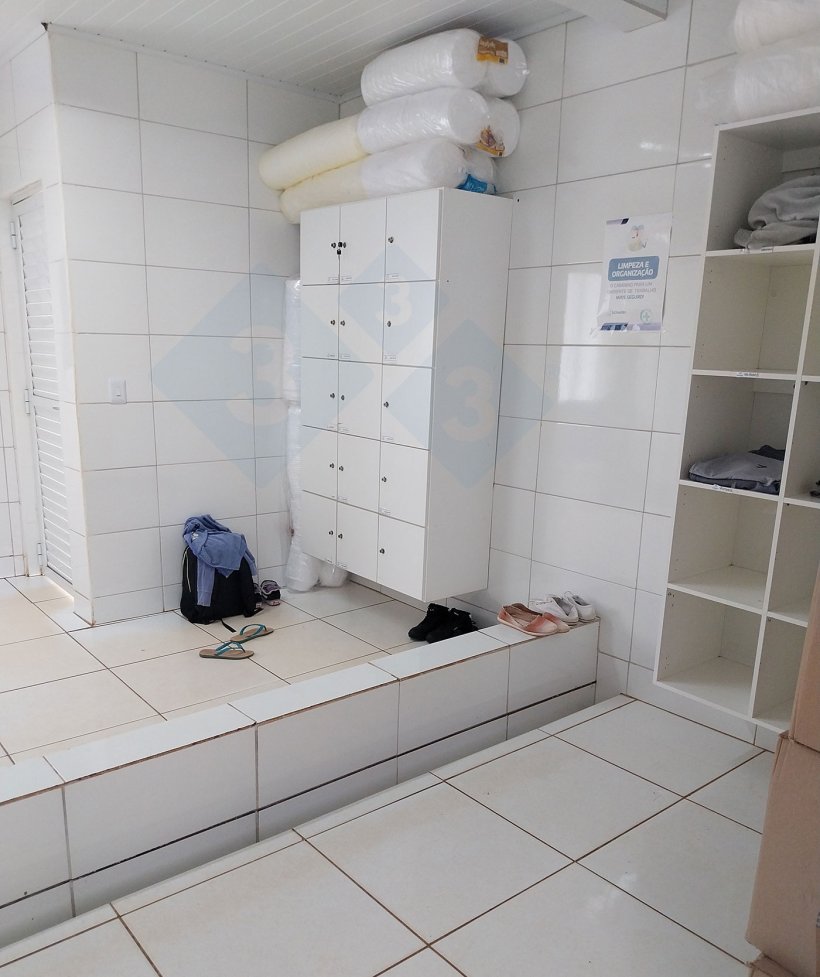
Photo 7. Changing room.
The most modern facilities require mandatory shower, separate flows, and vehicle disinfection; in older facilities, the key lies in staff training and strict adherence to procedures.
People before technology: The value of the workforce
One of the most important aspects is the central role of the workers.
The ratio of people to animals is 2-3 times higher than in Europe. Although wages are lower, the share of labor costs in the price per kilogram of pork is similar to that in Europe or the United States (6-10%).
The difference lies in the ability to turn human presence into productive value: more observation, earlier interventions, and greater data collection. This makes it easier to achieve high performance.
Environment and sustainability: Opportunities rather than obligations
Environmental management is evolving rapidly. Many farms are investing in:
- Solid-liquid separation,
- Structured storage,
- Biodigesters for energy production.
The process is typically driven more by economic opportunities than by regulatory requirements. Slurry is used for fertilization and fertigation of crops intended for animal feed, as well as for crops such as oranges and coffee, as part of a circular economy approach.
Same pigs, same challenges
Despite differences in climate, organizational structure, and socioeconomic context, it is clear that the challenges facing the swine industry are global in nature: animal welfare, reducing antibiotic use, biosecurity, sustainability, and workforce management.
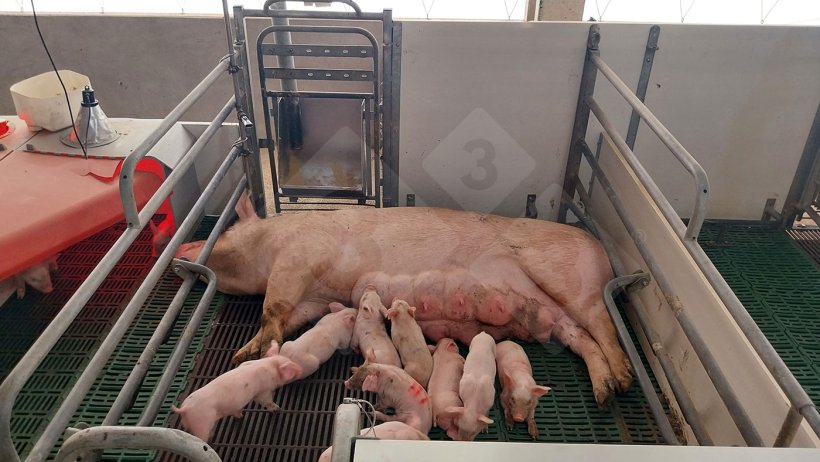
Photo 8. Loose-housed farrowing pen.
In Europe, foreign competition is often viewed with fear, based on the assumption that “everything is easier” elsewhere. However, firsthand experience reveals a different reality: in Brazil, the industry is just as complex, and the responsibilities are the same.
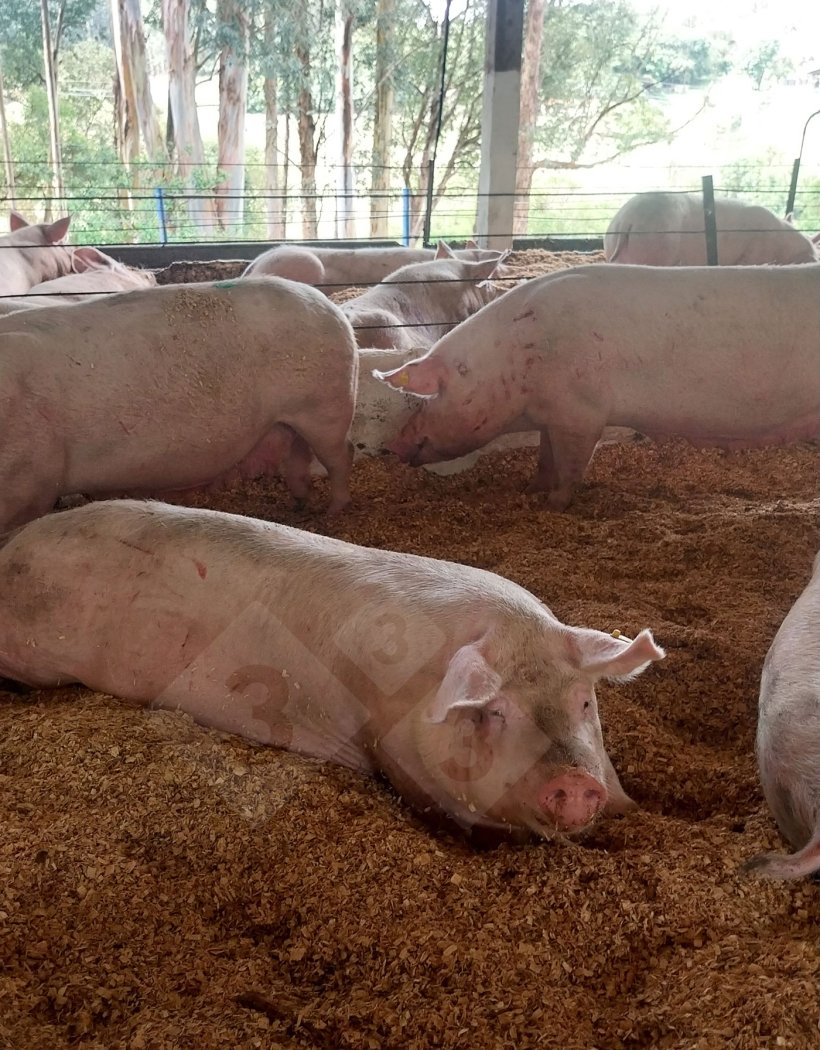
Photo 9. Group-housed gestating sows.
Today, production systems are much more similar than is commonly believed. Standards are converging, and in some respects, the Brazilian experience shows that it is possible to work just as efficiently—and even more so—than in Europe, especially when the focus is on the animal and the organization of work.
It is precisely by comparing different systems that real opportunities for growth across the entire industry emerge.