






















This content is available to registered users.
You can register and log in for free access to all content on Pig333.com.

X
XLinkedinWhatsAppTelegramTelegram
0
Read this article in:

Argentina: Corn production reaches a historic record

The 2025/26 corn season has seen excellent performance with a record harvest and average yields exceeding 7200 kg/ha.

28 July 2026
X
XLinkedinWhatsAppTelegramTelegram
0

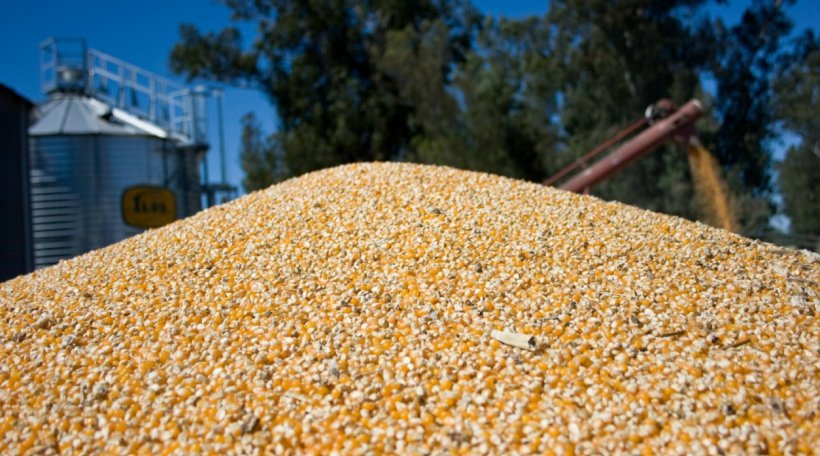
The Secretariat of Agriculture, Livestock and Fisheries of the Ministry of Economy reports that the 2025/2026 corn harvest has reached a record 71,500,000 tons, with harvesting already exceeding 75% of the estimated area.

The crop benefited from an increase in planted area, which rose from 9,200,000 hectares to 11,600,000 hectares, representing a 26.1% increase compared to the previous season, and from improved yields, which increased from 6,900 kg/ha to 7,240 kg/ha on average nationwide compared to the 2024/2025 season.

July 22, 2026/ Agriculture, Livestock, and Fisheries/ Argentina.
www.argentina.gob.ar


Article Comments

This area is not intended to be a place to consult authors about their articles, but rather a place for open discussion among pig333.com users.
Leave a new Comment

Access restricted to 333 users. In order to post a comment you must be logged in.

You are not subscribed to this list The Website in 3 Minutes

Weekly newsletter with all the 3tres3.com/en updates

Log in and sign up on the list

Related articles

Harvest projections for the world's major corn and soybean producers - 2026/27 season versus 2025/26 season - last updated: July 10, 2026. Prepared by 333 Latin America with data from FAS - USDA.

USDA corn and soybean projections for 2026/2027 – July 2026

23-Jul-2026

In its latest update, the global corn balance has been revised to reflect production cuts in the United States and Argentina, reducing exports and ending stocks, while China is gaining ground as a buyer of Argentine corn and reshaping South American trade flows. In contrast, soybeans continue to show strong growth, supported by robust production in Brazil and the United States—which offsets Argentina's slowdown—with Chinese demand further fueling this momentum by driving soybean processing in Brazil.