


























 0
0
Postpartum dysgalactia syndrome (PDS) is a multifactorial condition affecting sows around farrowing, characterized by decreased or absent lactation, often associated with anorexia, fever, and mammary or urogenital disorders. Piglets also suffer the consequences, with increased mortality and reduced growth.
The prevalence varies considerably depending on the definition used (isolated or combined symptoms: hyperthermia with a variable threshold, anorexia, dysgalactia in the days following farrowing): from 1-15% of sows in older studies to more than 70% in recent studies. In France, nearly half of the farms face severe forms of PDS, affecting approximately 4% of sows.

Beyond clinical signs, PDS is recognized as a complex syndrome involving the interaction of inflammation, metabolic and health disorders, hygiene, feeding, farrowing management, and housing. Risk factors have been the subject of recent reviews based on experimental results or a limited number of epidemiological studies. However, these studies are outdated and/or based on small sample sizes, and they also use different PDS definition criteria across studies (hyperthermia ≥ 40°C, anorexia, dysgalactia, mammary edema, vaginal discharge, constipation, apathy), making it difficult to extrapolate their conclusions to current production conditions.
Prevention relies on a combination of measures: precise feeding management and fiber intake, controlled farrowing, and improved sow comfort and health. In the context of reduced antibiotic use in swine production, identifying and prioritizing high-risk practices is a key step in limiting the incidence of PDS and the use of antibiotic treatments.
The objective of an IFIP study was to obtain data on the prevalence and current manifestations of PDS on French farms, as well as on the characteristics of the affected farms and the associated risk factors.
A survey was conducted on 55 farms, classified into three groups according to the frequency of serious problems (≥2 clinical signs) reported: PDS− (no cases), PDS+ (occasional cases), and PDS++ (frequent cases).
Severe PDS was reported on average in 0% (PDS−), 1.6% (PDS+), and 8.3% (PDS++) of sows per year. In 80% of cases, it appeared within two days of farrowing, with no marked seasonal pattern, and in all types of sows.
Among the clinical signs observed in each batch, fever and unthrifty piglets were the most frequent, reported by 73% and 71% of farmers, respectively. Appetite problems in sows were also common (64%). Abnormal vulvar discharge and mammary problems were less frequent (38% and 37% of farms, respectively) (Figure 1).
The presence of severe PDS, defined as sows that simultaneously present at least 2 of these 5 clinical signs, is observed regularly in each batch (PDS++), more occasionally (PDS+), or never (PDS−), according to 46%, 33%, and 21% of farmers, respectively.
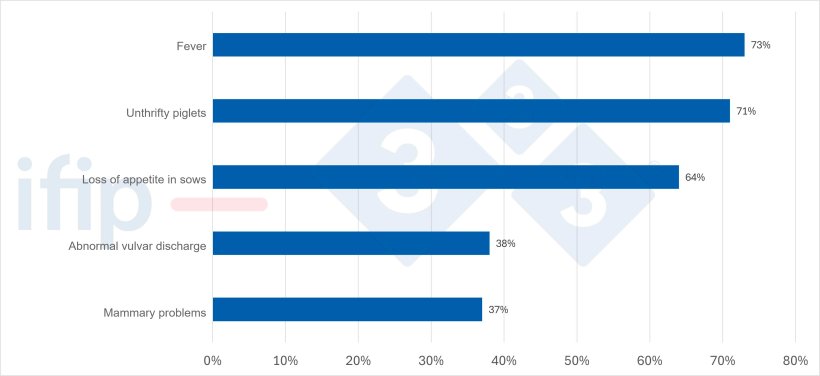
Figure 1. Clinical signs observed in each batch.
When asked about the practices implemented to reduce the manifestations of PDS, farmers mainly mention measures related to the health, hygiene, feeding and body condition of the sows, as well as some specific practices: reduction of handling, administration of oxytocin, antibiotic treatments or treatments targeting the urogenital system.
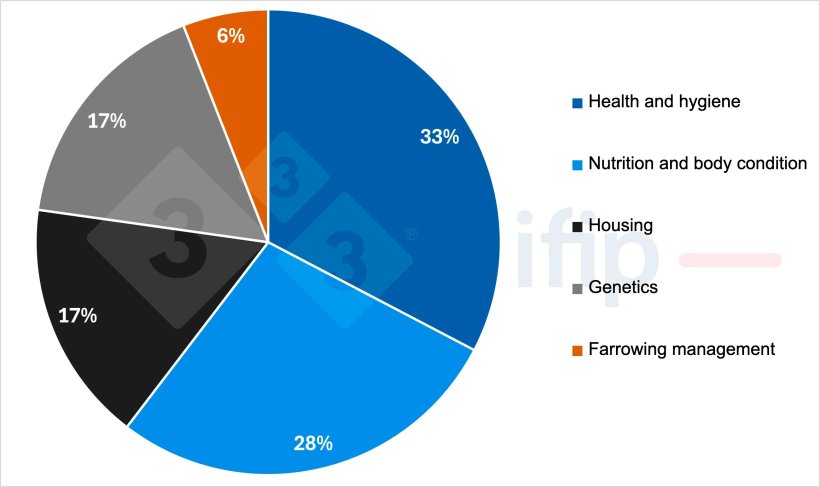
Figure 2. Measures taken by farmers to reduce the manifestations of PDS (% of responses).
This study confirms the multifactorial nature of PDS in relation to health, nutrition, hygiene, and management (Figure 2). It highlights the importance of factors associated with the inflammatory state (lameness, bites, etc.), one of the physiological mechanisms involved in the development of PDS. A significant relationship between lameness and PDS has also been confirmed, demonstrating the connection between health problems and the onset of the syndrome.
The risks associated with liquid feeding still need to be clarified. They could be explained by alterations in the microbiome, dificiencies in feeder hygiene, or a lack of precision in liquid feeding systems. Farms affected by PDS also reported reduced use of fibrous feeds or straw, as well as more frequent changes in feed type and form upon entering the farrowing unit.
The predictive value of an indicator combining individual health issues (lameness, mammary lesions, bite wounds, vulvar lesions, abscesses, anemia, etc.) and the body condition of the sows will be evaluated.
Sylviane Boulot, swine reproduction engineer at IFIP. Based on a publication produced in collaboration with INRAE and the Chêne Vert laboratory, presented in February 2026 at the 58es Journées de la Recherche Porcine.