

























 0
0
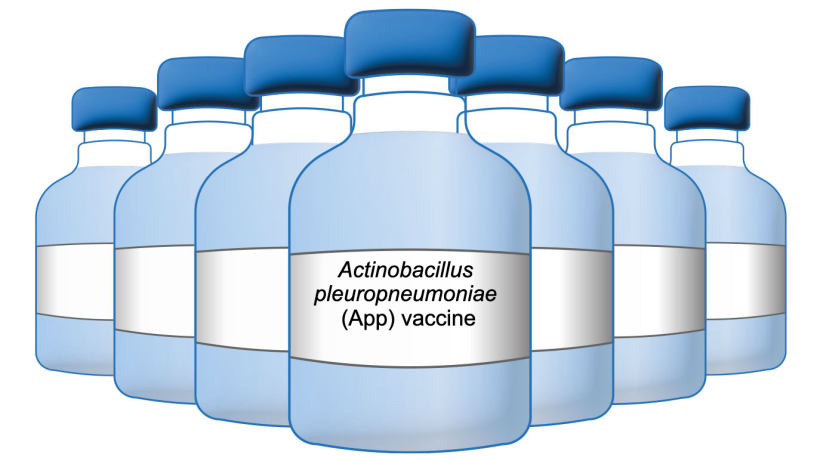
Actinobacillus pleuropneumoniae (App) is the causative agent of porcine pleuropneumonia, one of the main respiratory diseases in nursery and finishing pigs. Several vaccines are available on the market, mainly differing in their composition.
Type of vaccine by composition
- Complete bacterial inactivated vaccines: Contain inactivated A. pleuropneumoniae cells from one or more serotypes, aimed at inducing active immunity against the included serotypes.
- Apx toxoid-based vaccines (Apx I, Apx II, Apx III): formulated with inactivated toxins produced by App and, in some cases, combined with outer membrane proteins (OMPs). They usually cover all serotypes. The antibodies produced by these vaccines target the toxins, not the bacteria, and therefore only prevent them from causing lesions.
- Combined vaccines (bacterial + toxoids + surface antigens): include bacterial vaccines of various serotypes along with Apx toxoids and membrane antigens.
All vaccines are monovalent. There are no combination vaccines for Actinobacillus pleuropneumoniae and other agents.

Indications for use
All vaccines focus on reducing mortality and the clinical signs and lesions of pleuropneumonia.
It is important to note that, depending on their composition and product information, these indications include all known serotypes of Actinobacillus pleuropneumoniae, and in other cases, only the serotypes included in the vaccine.
Route of administration and dosage
All vaccines are administered intramuscularly and always require vaccination and revaccination 2-4 weeks apart.
For piglet vaccines, the recommendation is to vaccinate starting at 6-7 weeks of age (some product information sheets indicate between 6 and 10 weeks).
The vaccines authorized for sows indicate vaccination between 8 and 6 weeks before farrowing and revaccination 3-4 weeks afterward.
One specific formulation includes vaccination of finishing pigs upon arrival at the farm and revaccination 3 weeks later.
Onset and duration of immunity
In most cases, the onset of immunity happens 2-4 weeks after the second dose, although in some cases immunity has been demonstrated to develop three weeks after the first dose.
There are differences in the duration of immunity, as it varies from at least 11 weeks to 16 or 22 weeks after revaccination.
Use in gestation and lactation
There are also differences here, as some vaccines are only for use in pigs between 6 and 10 weeks of age, and their use in gestating and lactating sows is not recommended. Another commercial presentation is permitted for use during gestation but not during lactation, while yet another is suitable for both gestation and lactation, although revaccination 3-4 weeks before farrowing is recommended to boost antibody levels in pregnant sows and gilts.
333 Staff