

























 0
0
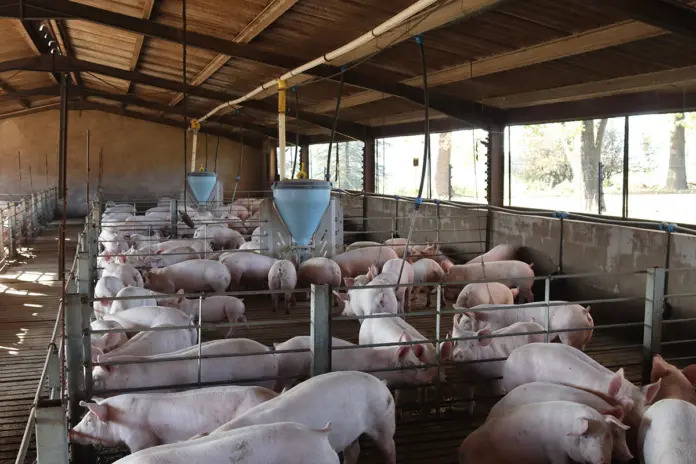
South Africa’s pig industry is preparing for changes in breeding herd management following the revision of the South African Pork Producers’ Organisation (SAPPO) welfare code. While the 2023 code allows sows to remain in gestation crates for up to eight weeks, the revised 2025 code will phase out gestation crates entirely from 1 January 2032 and increase the minimum space allowance to 2.25m² per sow.
As producers gradually move towards group housing, providing additional space will be an important part of the transition. However, suitable feeding systems, pen design, group size, stocking density and daily management will also help determine how effectively the new systems work.
Careful planning can help manage competition for feed and water, particularly when new groups of sows are formed. Adequate feeding and watering points, well-designed pens and appropriately sized electronic sow feeding systems can support more consistent access to resources and help limit unnecessary aggression.
Environmental management will also remain important with good ventilation, suitable insulation and effective control of temperature and harmful gases can help maintain feed intake and animal performance. During hot weather, access to clean, cool water, effective cooling and ventilation, feeding during cooler periods and appropriate nutritional adjustments can help support sows when feed intake falls.
The transition therefore offers an opportunity for producers to develop housing systems that support both animal welfare and farm performance. With thoughtful planning around space, feeding, ventilation, water, nutrition and daily husbandry, South Africa’s pig industry can work towards a smooth transition while maintaining productivity and profitability.

August 4, 2026/South Africa/
https://www.farmersweekly.co.za/