
























 0
0
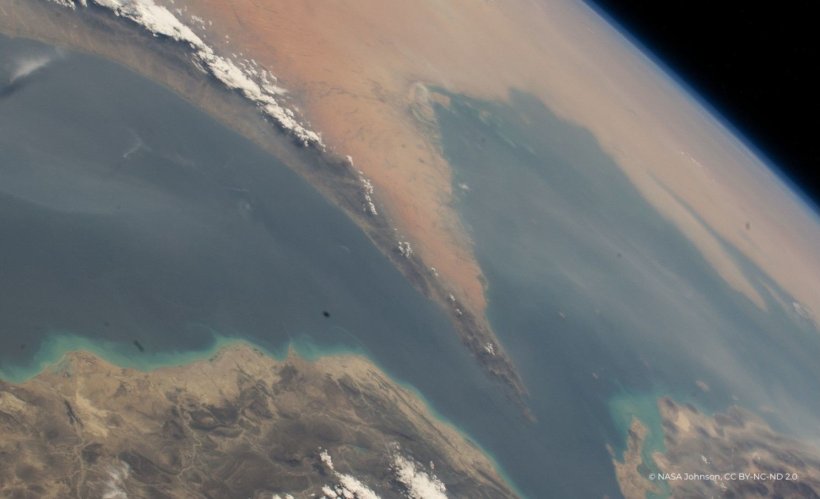
The Middle East plays a limited direct role in agricultural production and trade, but conflict in the region can have significant implications for global agriculture, mostly through its linkages with energy markets. A recent OECD study examines two transmission channels through which an oil price shock may affect agricultural markets: higher fertilizer costs and stronger biofuel demand.
Fertilizer production is highly energy-intensive and closely linked to natural gas prices, while oil prices affect fertilizer transportation and distribution. As a result, higher energy prices may increase fertilizer costs and reduce fertilizer application rates, potentially lowering crop yields and production. Energy prices also influence demand for biofuel feedstocks such as maize, sugar crops and vegetable oils, although this channel has a smaller impact on agricultural markets than higher fertilizer costs.

The analysis compares the OECD-FAO baseline projections for 2026–35 with an alternative scenario in which the reference crude oil price rises to USD 115 per barrel in 2026, approximately 53% above the baseline level. Results indicate moderate but delayed impacts on agricultural markets. In the absence of other shocks such as weather, average agricultural commodity prices are projected to increase by around 4.5% in 2026 and 8.3% in 2027 relative to baseline levels, with the strongest effects in countries that depend heavily on imported fertilizers.
The stronger impact on agricultural commodity prices in 2027 reflects the time required for higher input costs to influence fertilizer use and production decisions. As application rates decline, cereal production would be around 5% below baseline in South Africa, more than 3% lower in Türkiye and about 2% lower in India, while in Thailand production would decline by 3% in 2026 and 2% in 2027. By contrast, cereal production in most OECD countries is projected to decline less significantly, reflecting more diversified fertilizer supply sources and higher input-use efficiency.
The impact of an energy price shock also depends on when it occurs during the agricultural production cycle. Many producers had already secured fertilizer supplies before the effective closure of the Strait of Hormuz, which would further explain the rather limited impacts on cereal production during the 2026 growing season. Assuming the oil price shock is temporary, fertilizer prices would gradually return towards baseline levels and cereal production would start to recover from 2028 onwards.
A further scenario examines a hypothetical increase in biofuel mandates as a result of higher fossil fuel prices. Results suggest only limited effects on aggregate food prices, although the impact varies considerably across commodities depending on prevailing market conditions and the degree of market tightness. Overall, the OECD analysis finds that the biofuel channel has a much smaller effect on food prices than higher fertilizer costs, contributing an additional 1.6% points to agricultural commodity prices in 2026. As the scenario assumes biofuel mandates to return to baseline levels in 2027, the additional price pressures associated with higher biofuel demand gradually dissipate.
While these are model projections, the ultimate impact of the Hormuz crisis on agricultural markets will depend on the duration of the conflict and the end of associated disruptions to energy markets. A short-lived shock would likely have limited long-term consequences, whereas a prolonged period of elevated energy and fertilizer prices could have more substantial effects on agricultural production, trade and food security, particularly in vulnerable regions.
July 6, 2026/ AMIS.
https://www.amis-outlook.org