























 0
0
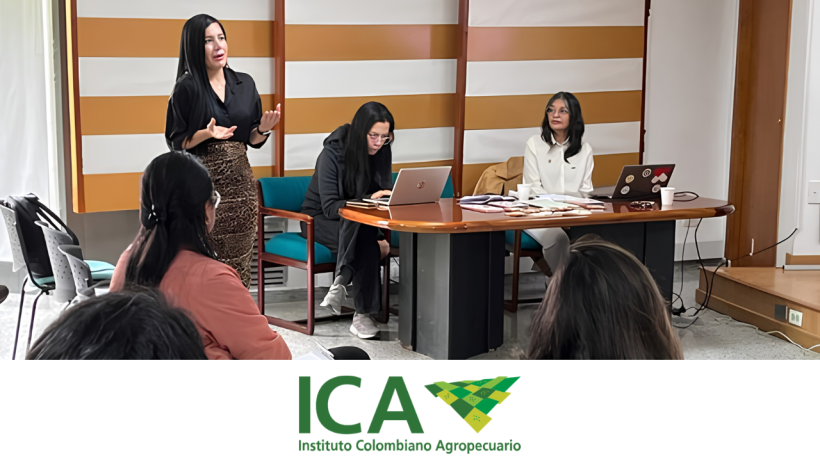
The Colombian Agricultural Institute (ICA), in coordination with the World Organisation for Animal Health (WOAH), led a series of technical workshops in Bogotá aimed at identifying the policies, regulations, and practices that have contributed to reducing antimicrobial use in the country's livestock sector.
The visit is part of WOAH’s REASONS Project (Work Package 3 – WP3), which aims to document and analyze successful cases from member countries globally that have managed to reduce antimicrobial use in food-producing animals. Colombia was selected for the mission due to the encouraging trends shown in the data it reports to the international ANIMUSE system, in line with the commitments established in the political declaration on Antimicrobial Resistance (AMR) adopted during the 79th Session of the United Nations General Assembly in September 2024.

The mission was led by Dr. Delfy Góchez, WOAH Senior Data Management Officer, and included the participation of Viviana Sofía Zamora, Deputy Director of Animal Protection at the ICA, together with a broad technical team from the institute. The workshops also brought together representatives from the Ministry of Health and Social Protection (MSPS), INVIMA, the Ministry of Agriculture and Rural Development (MADR), and AGROSAVIA, as well as the country's leading livestock associations: ACOVEZ, ASFAMEVEZ, APROVET, FENAVI, and PorkColombia. The active involvement of Colombia’s pork industry in the process reflects the sector’s commitment to international standards for the responsible use of antibiotics.
During the workshops, participants examined issues related to governance, legislation, professional training, farm-level interventions, biosecurity, and compliance with export regulations, all of which are linked to addressing antimicrobial resistance in Colombia’s livestock sector.
Antimicrobial resistance (AMR) represents a growing global challenge for the swine industry. The inappropriate use of antibiotics in animal production has been identified by the FAO, WHO, and WOAH as one of the main factors accelerating the development of resistance, with direct implications for public health and access to export markets. As a country recognized for successfully reducing antimicrobial use, Colombia could provide a replicable model for other pork-producing nations in the region.
WOAH plans to publish a global analytical report on the policies and interventions that have contributed to reducing antimicrobial use in food-producing animals. The findings from the mission in Colombia will be included as part of that report.
June 3, 2026/ ICA/ Colombia.
https://www.ica.gov.co/