



When it comes to genetic progress, resilience and resistance aren’t competing priorities. 
Resilience helps protect performance through disease, environmental or management challenges. Resistance helps limit specific disease threats.
Different tools. Different purposes. One shared goal: a more robust pig.
By advancing both, we can build genetics better equipped for the realities of commercial pork production – today and in the future.
See how we’re advancing both:
Resilience or Resistance? On Commercial Pig Farms, the Answer is BothCommercial swine herds face pressure every day. The question is, how should genetics advance to support consistent, predictable performance? For...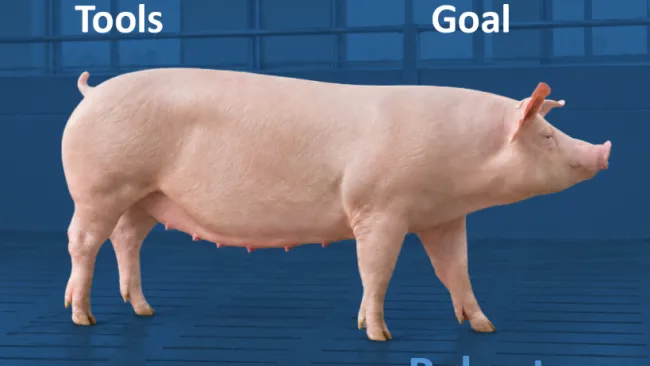
LikecommentshareMy favorites
 A healthy supply starts long before it reaches the farm.
 Strategic centre location, environmental assessment, quarantine and biosecurity all help reduce risk from the source. These are not just operational details — they are part of protecting continuity and confidence.
 Learn what stands behind a healthy, reliable supply.
Reliable supply of terminal genetics starts long before the dose reaches the farmOn farm, some things cannot wait. When it is time to inseminate, semen supply has to be there: no excuses, no uncertainty and no room to improvise. That is why, when producers thin
1 LikecommentshareMy favorites
Resilience or resistance?
When it comes to genetic progress, our answer is both.
Commercial herds rarely face a single challenge at a time. Health pressures, environmental variation, feed changes and management shifts can all affect performance.
That’s why we believe the future of genetic progress is robustness – bringing resilience and resistance together to help pigs perform more consistently in real-world production conditions.
Dig deeper into the science and strategy behind robustness:
Resilience or Resistance? On Commercial Swine Farms, the Answer is BothCommercial swine herds face pressure every day. The question is, how should genetics advance to support consistent, predictable performance? For...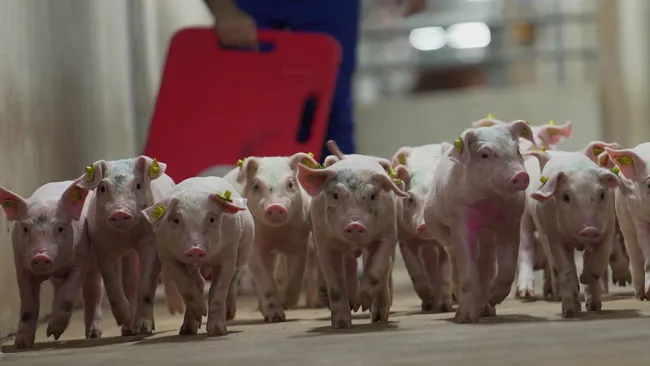
1 LikecommentshareMy favorites
When it is time to inseminate, supply cannot fail. For UK producers, reliability means more than delivery on time. It depends on coordinated logistics, strong biosecurity, controlled processes and continuity built into the system behind every dose. Discover how PIC builds reliable supply for the farm. Reliable supply of terminal genetics starts long before the dose reaches the farmOn farm, some things cannot wait. When it is time to inseminate, semen supply has to be there: no excuses, no uncertainty and no room to improvise. That is why, when producers thin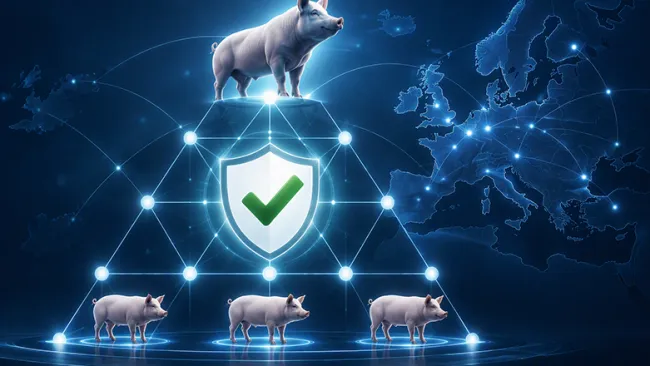
2 LikecommentshareMy favorites
Better breeding decisions start with better data. Genomics and digital phenotyping help make selection more precise, repeatable and linked to real pig performance. For producers and the wider pork chain, that means progress that is faster, practical and reliable. Explore how digital tools are shaping terminal sire improvement.The programme behind a competitive terminal sire portfolio One sire, thousands of commercial pigs A terminal sire can influence thousands of commercial pigs through artificial insemination. His genetics...
1 LikecommentshareMy favorites
Genetic potential only creates value when it performs on farm. PIC’s GNX programme uses commercial crossbred pig data to help identify the families that deliver under real production conditions — from growth and feed intake to structure and carcass traits. Read more about how commercial data supports practical genetic progress.The programme behind a competitive terminal sire portfolio One sire, thousands of commercial pigs A terminal sire can influence thousands of commercial pigs through artificial insemination. His genetics...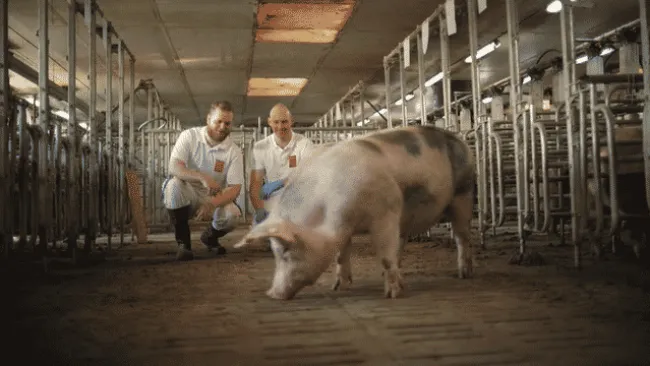
1 LikecommentshareMy favorites
No single terminal sire is the perfect fit for every market. UK producers need genetics that connect on-farm performance with carcass value and customer requirements. PIC’s sire line portfolio is built on reliable data, clear selection goals and commercial validation. Discover how the right sire choice can support your production goals.The programme behind a competitive terminal sire portfolio One sire, thousands of commercial pigs A terminal sire can influence thousands of commercial pigs through artificial insemination. His genetics...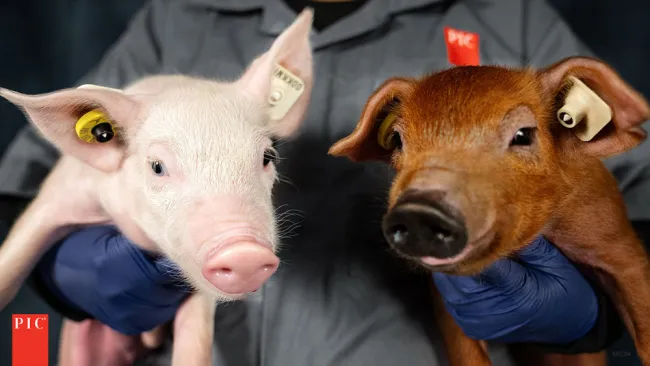
1 LikecommentshareMy favorites
One terminal sire choice can shape the performance of thousands of pigs. Its value is seen later in growth, feed efficiency, survivability, carcass value and pork quality. That’s why the genetic programme behind the sire matters as much as the product itself. Learn more about how PIC drives repeatable genetic progress: The programme behind a competitive terminal sire portfolio One sire, thousands of commercial pigs A terminal sire can influence thousands of commercial pigs through artificial insemination. His genetics...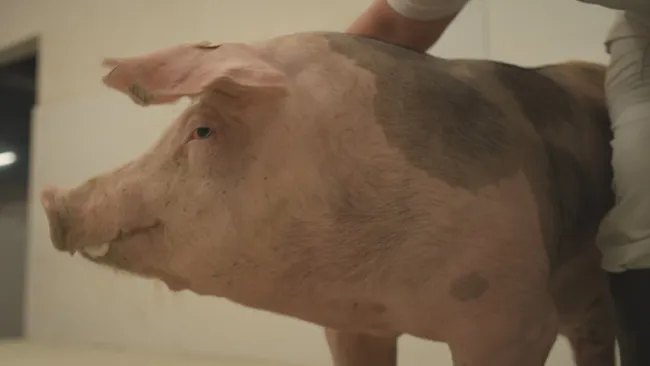
1 LikecommentshareMy favorites
 Body condition is more useful when you track how it changes.
Analysis of 1,424 first-parity PIC Camborough
 sows found an average change of around 5% loss in caliper-measured condition from entry to farrowing through weaning — but individual results varied considerably.
Monitoring these changes can help identify opportunities to adjust lactation feeding, litter management and sow monitoring.
 Read the full article and explore the findings:
Using the sow caliper to understand body condition change during lactationby Julia Adriana Calderón Díaz (Prowess Bioscience Ltd) and Craig Lewis (PIC Europe) Калипер для свиноматок становится полезным инструментом для измерения упитанности и принятия 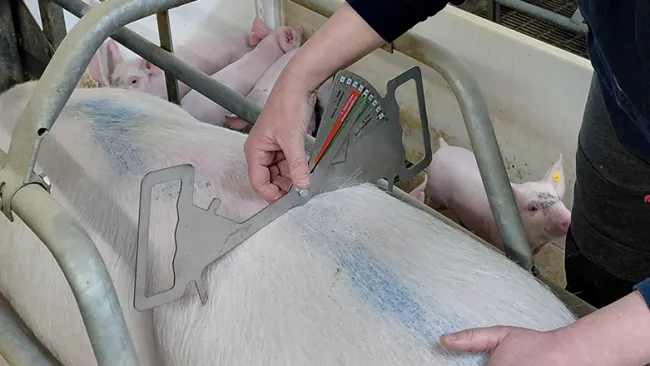
1 LikecommentshareMy favorites
🧬 Could genetics help prevent major pig diseases?
New advances in genomics and gene editing are taking disease resistance beyond general robustness towards targeted protection. Dr Craig Lewis and Dr Andrey Pavlov explore research into PRRS resistance and the potential implications for African swine fever and foot-and-mouth disease.
Genetics complements—not replaces—biosecurity, vaccination and strong farm management.
 Read more in the full article:
New advances in genomics and gene editing are taking disease resistance beyond general robustness towards targeted protection. Dr Craig Lewis and Dr Andrey Pavlov explore research into PRRS resistance and the potential implications for African swine fever and foot-and-mouth disease.
Genetics complements—not replaces—biosecurity, vaccination and strong farm management.
Read more in the full article: From robustness to gene-editing: The evolution of disease resistance Dr Craig Lewis & Dr Andrey Pavlov – PIC Disease remains one of, or THE dominant constraints on economic and sustainable pig...
LikecommentshareMy favorites
Contact:
Contact us using the following form.