





 0

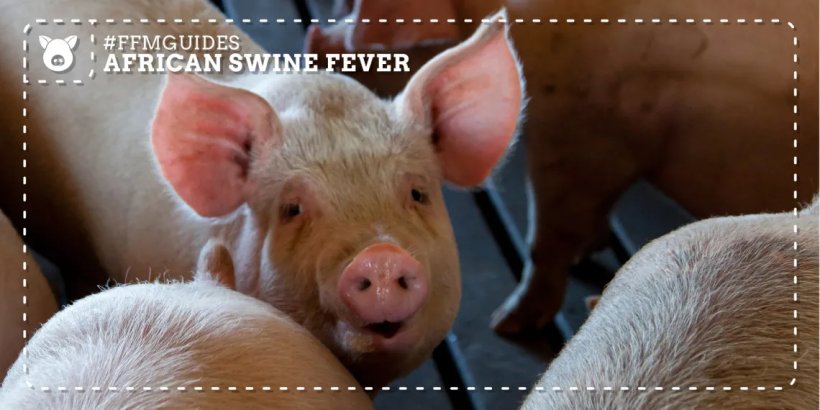
South African farmers are being urged to make biosecurity a routine part of daily pig management rather than a measure used only during disease outbreaks. A key priority is preventing contact between domestic pigs and wild suids such as warthogs and bushpigs through secure perimeter fencing, double barriers, strict confinement and adequate buffer zones.
Farmers are encouraged to source stock only from reputable and traceable suppliers and avoid informal or poorly controlled sources where the health status and origin of animals cannot be verified. Newly purchased pigs should undergo a minimum 28-day quarantine in a dedicated facility before joining the main herd. During this period, farmers should monitor for loss of appetite, lethargy, fever, skin reddening, diarrhoea, vomiting, respiratory problems and unexplained abortions.
Effective quarantine also requires separate equipment, boots and feeding materials to prevent disease from reaching the main herd. Other essential measures include recording visitors, enforcing dedicated clothing and footwear, removing organic matter before disinfection, prohibiting kitchen scraps and swill feeding, using legally approved commercial feed, and maintaining secure pig-proof boundaries.
Farmers are also advised to inspect pigs daily for signs such as fever, skin lesions and sudden deaths. Any suspicion of ASF should trigger immediate farm lockdown and notification of the state veterinarian. Overall, strong biosecurity, traceable sourcing, 28-day quarantine and early reporting remain critical lines of defence against ASF and the potentially severe losses it can cause to individual farms and the wider South African pig industry.

September 22, 2026/South Africa/
www.foodformzansi.co.za/