





 0

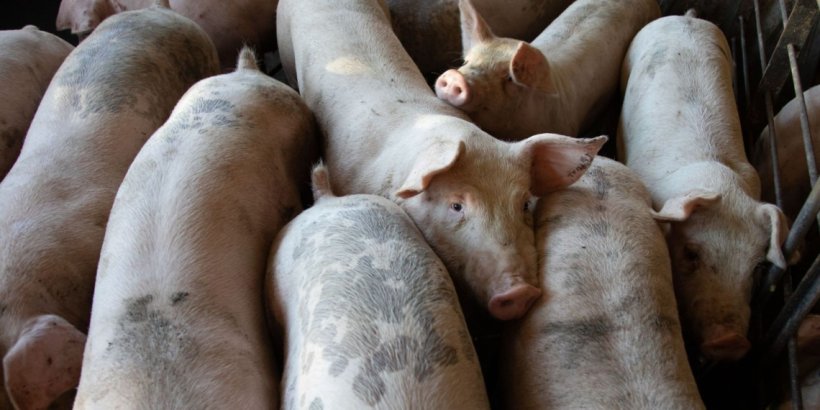
For decades, South Africa relied on legislated control zones under the Animal Diseases Act to contain African swine fever (ASF), with the disease largely restricted to northern regions. However, since 2019, outbreaks have spread well beyond these traditional boundaries into several provinces, demonstrating that geographical control lines alone are no longer sufficient to protect the country’s pig industry. The trend reflects a wider global challenge, with farm-level biosecurity now regarded as the most effective defence against the disease.
The spread of ASF has been driven by both natural and human-related factors. While the virus continues to circulate naturally through warthogs and soft ticks, human activities such as the illegal movement of infected pigs, feeding untreated swill and the use of contaminated equipment have accelerated its spread across the country. As a result, outbreaks have reached new regions, proving that effective disease prevention depends as much on responsible farming practices as on official movement controls.
The economic consequences have been severe for both commercial producers and rural households. Recent commercial outbreaks affected more than 66,000 pigs, resulting in losses of about R500 million, while disease control measures have disrupted local pork supplies for up to 18 months. In rural communities, where pigs often serve as a source of income and financial security, outbreaks have significantly affected household livelihoods.
To reduce the risk of future outbreaks, producers are being encouraged to strengthen farm-level biosecurity through strict confinement of pigs, proper cleaning and disinfection, compliance with swill-feeding regulations, careful sourcing and quarantine of new animals, and immediate reporting of suspected cases. The report also notes that government compensation for ASF losses is generally limited, making prevention, rapid disease reporting and strong biosecurity measures the most sustainable strategies for protecting the pig industry.

July 28, 2026/South Africa/
https://www.foodformzansi.co.za/