

















 0
0
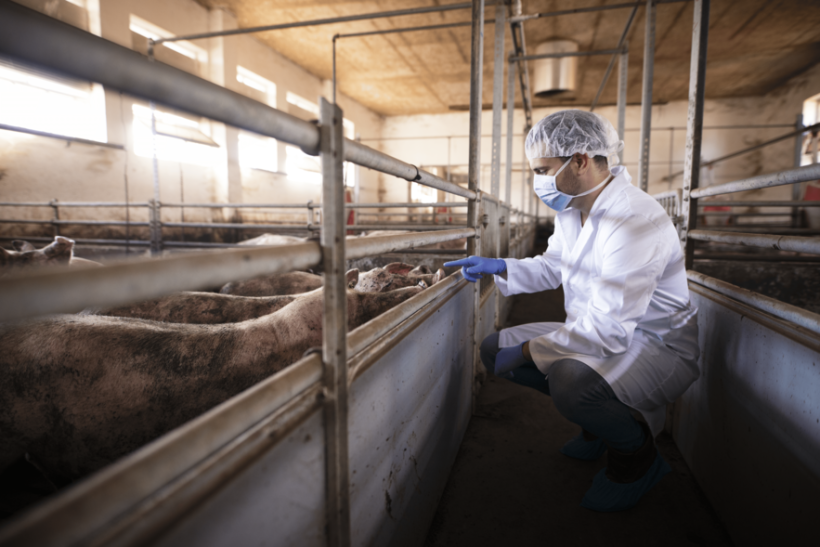
South Africa has introduced a draft Routine Vaccination Scheme for Foot and Mouth Disease, signalling a shift towards a more decentralised and proactive approach to disease control. The proposed framework allows livestock owners, working alongside private veterinarians, to play a more direct role in vaccinating their animals.
The scheme is built on a partnership model, with cost sharing and phased implementation. It also imposes strict requirements on animal identification, traceability systems, biosecurity compliance, and record keeping. However, oversight of vaccine storage, cold chain management, and administration will remain tightly regulated under a multi-stakeholder committee.

Industry stakeholders, including Agbiz, Southern African Agri Initiative, and FMD Response South Africa, have broadly welcomed the move, describing it as a necessary step to unlock private sector capacity and strengthen national vaccination efforts.
Despite this support, concerns remain about vaccine supply constraints, centralised distribution risks, and the potential duplication of existing state functions. Some stakeholders argue that expanding the pool of vaccinators without addressing procurement and distribution bottlenecks may limit the scheme’s effectiveness, particularly in scaling up vaccination speed and coverage.
Additional concerns have been raised about structural gaps in the framework, including limited inclusion of smallholder and communal livestock systems, as well as the absence of clear operational protocols for vaccination, movement control, and compliance. Questions also persist around costs, timelines, enforcement mechanisms, and coordination between national and provincial authorities.
While the proposal marks a significant policy shift towards risk-based disease management, its success will depend largely on implementation capacity, vaccine availability, and inclusive participation across the livestock sector.
April 15, 2026/ South Africa/
https://www.farmersweekly.co.za/