

















 0
0
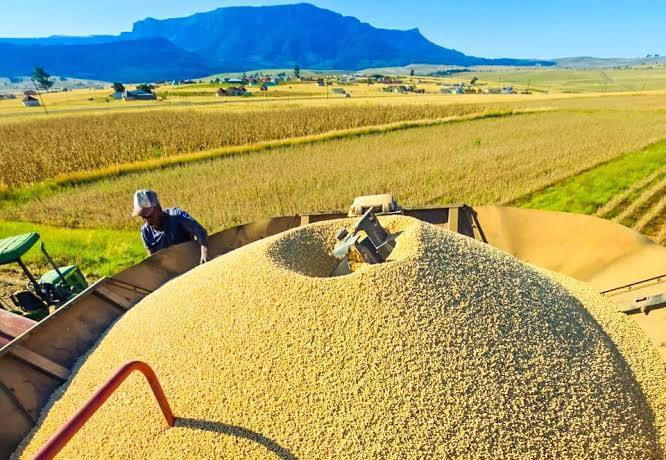
Rwanda government is seeking greater investment in animal feed production to support its expanding livestock sector, with pig farming among the industries most affected by a severe feed shortage. The country requires an estimated 15.9 million metric tonnes of animal feed annually, yet existing manufacturers can produce only about 163,000 tonnes. Officials say expanding feed manufacturing capacity, particularly in areas such as Bugesera, will help strengthen pig production and improve the sector's contribution to food security and economic growth.
Pig farmers say the shortage of affordable, high-quality feed is significantly reducing profitability. According to the Rwanda Pig Farmers' Association, insufficient domestic maize production remains a major challenge, as demand for both human consumption and animal feed far exceeds supply. The reliance on imported raw materials has pushed pig feed prices up from around Rwf285 to Rwf600 per kilogramme, while inconsistent feed quality has forced many farmers to mix their own rations, often resulting in poorer pig growth and lower productivity.
The Ministry of Agriculture and Animal Resources (MINAGRI) is finalising new regulations to improve the quality and safety of commercial animal feed while addressing the sector's dependence on informal markets. Feed manufacturers are currently operating at only about 53 per cent of their installed capacity, largely because of the high cost and limited availability of maize and soybeans.
To strengthen the pig sector over the long term, the government is increasing domestic production of key feed crops, expanding storage infrastructure, and supporting research into alternative feed ingredients. Innovations such as Black Soldier Fly larvae protein to replace soybean and processed cassava peels as a partial substitute for maize are expected to reduce production costs, improve feed availability, and support sustainable growth in Rwanda's pig industry.

July 1, 2026/Rwanda/
https://allafrica.com/