
On-farm vaccine management (IV): Vaccine failures
02-Feb-2026 (ago 8 months 14 days)
We have reached the end of this series of articles on vaccine management. We have tried to address all the related aspects that should make these vaccines help our system. However, we want to close this series by discussing why sometimes we talk about "vaccine failures" or say that we are unsure whether the vaccines are working, either totally or partially.
When this happens, we often look at the vaccine and a failure in the protection it generates, but on many occasions, this failure stems from an inadequate use or handling of the vaccines.
Main causes of vaccine failure
DIAGNOSIS
 A wrong diagnosis will lead us to make incorrect decisions. It is important to remember that detecting an infectious agent is not always synonymous with the fact that it is responsible for the clinical problem observed.
Selecting the vaccine against the pathogen responsible for the process will be critical to ensuring we successfully treat the clinical problem.
The vaccination objective will also be key:
- If we want to achieve population immunity, we will carry out a blanket vaccination to reduce horizontal transmission.
- If we want to immunize piglets and reduce vertical transmission of the disease, we will vaccinate according to age and specific production periods.
TIMING OF ADMINISTRATION
 It is essential to understand and control the dynamic of diseases within the population, and this is different on each farm, so we need to monitor it and choose the right time to administer the vaccine so that immunity can be generated before the animals come into contact with the pathogen(s) and for it to be effective. The problems that can occur are:
- Vaccinating too close to disease presentation or too late.
- Vaccinating piglets too early in the presence of maternal antibodies that can cause a blockage of the vaccine antigens, causing a decrease in antibody titers in the piglet's blood and reducing the efficacy of the vaccine. To avoid this, the optimal timing of vaccination of both piglets and sows should be studied.
- Vaccinating in stressful situations that generate immunosuppression.
- Vaccinating sows too early or too late to protect piglets in enteric processes as we need protection in the first week of life.
INCORRECT PRODUCTION FLOW
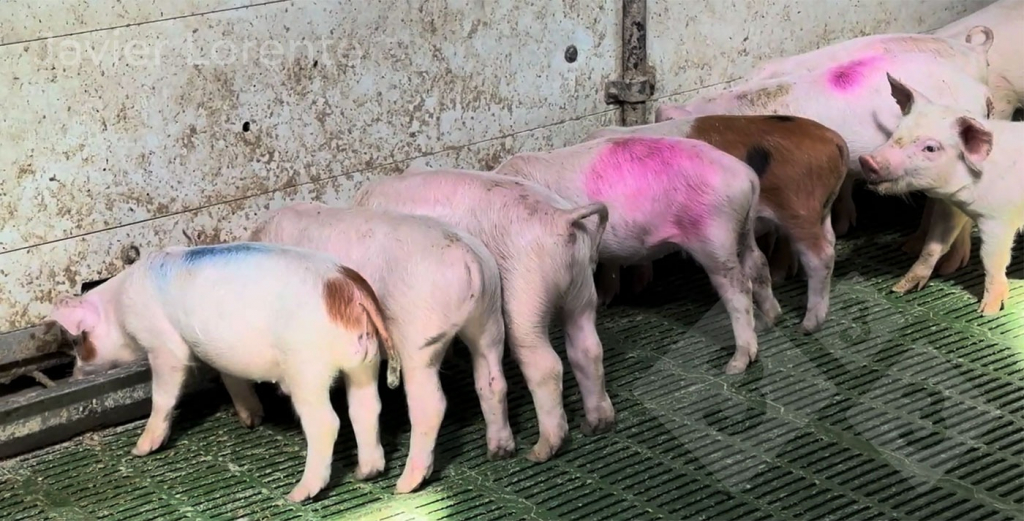
 A poorly planned and managed farm with age mixing in batches, excessive stocking densities, and poor “All In-All Out” management can increase infection pressure and reduce vaccine effectiveness. Mixing of ages may predispose a certain percentage of animals to either not receive the vaccines or receive them at the wrong time.
HEALTH STATUS OF THE ANIMALS
 WEAK ANIMALS: Poor body condition or a pig that does not meet all its needs will not generate an effective immune response after vaccination. If the number of these animals in our pig population is high, we will not achieve good herd immunization.
- SICK ANIMALS: Sick animals have a worse immunological response and this can worsen the response to vaccination. It is very important to check the health status of the population and if we are going through a pathological process, not to perform the vaccination, prioritizing the recovery of the animals. A clear example of this is to avoid vaccinating animals during PRRSV recirculation since it can interfere with establishing immunity.
The presence of subclinical diseases such as some digestive pathologies also contributes to a poor immune response.
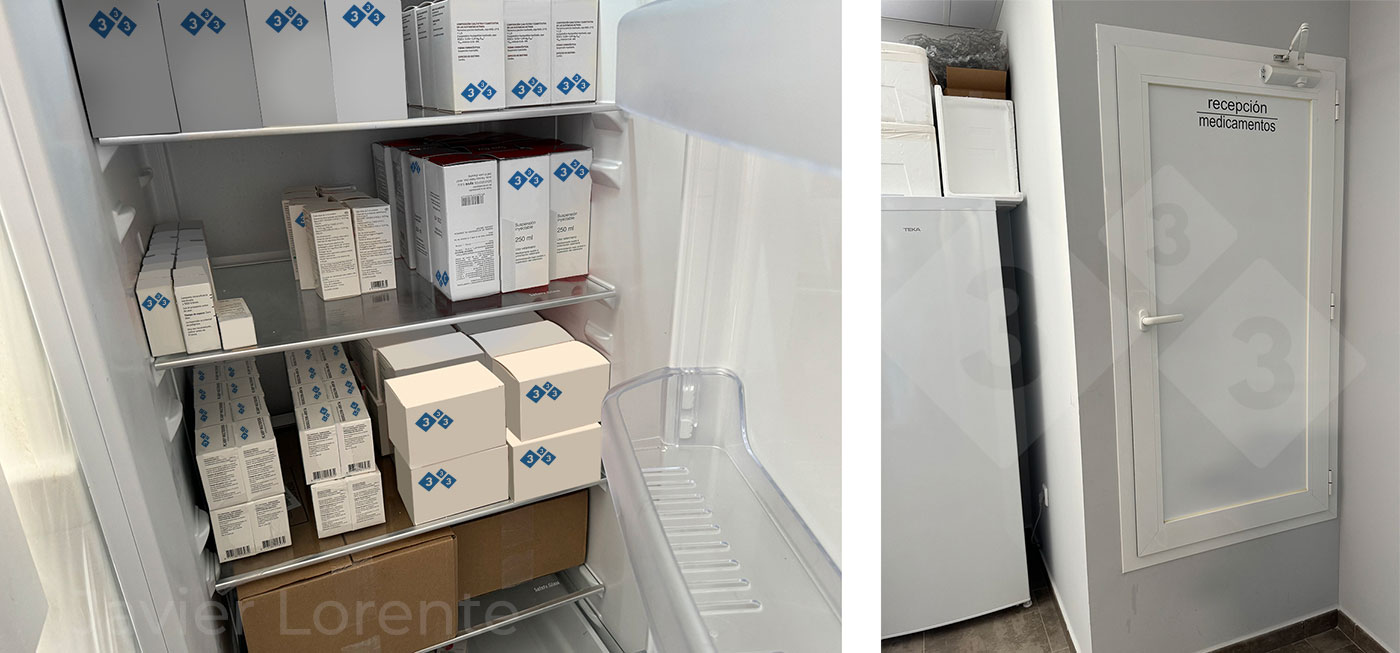
STORAGE: NOT RESPECTING THE COLD CHAIN

Several problems with vaccine storage (high or low temperatures, freezing, uncontrolled humidity, etc.) can lead to vaccine failure. You can review all the steps to follow in the second article in the series.
ENVIRONMENTAL CONTROL AND FACILITIES
 Stress affects the ability to generate a good response to vaccination. A hostile environment, poor ventilation, incorrect temperature, lack of hygiene, excessive stocking density, insufficient feeder or drinker space, etc., will result in animals in suboptimal conditions that can be predisposing factors for poor immune response and therefore a possible vaccination failure.
VACCINE ADMINISTRATION
In the previous article in the series we reviewed in depth how to correctly administer the vaccine, but different decisions or factors in this administration process could cause vaccine failures:
 INCORRECT DOSE: Of course, administering the wrong dose can, in all likelihood, result in vaccine failure. Incorrect dosing can come from misinterpretation of the vaccine package insert or other aspects such as:
- A lack of syringe maintenance or the use of an inadequate syringe.
- Using the wrong needle size can lead to an obstruction of the needles and therefore to the wrong dosage. The condition of the needles is also key.
- Voluntary underdosing:
- Using half doses to save money.
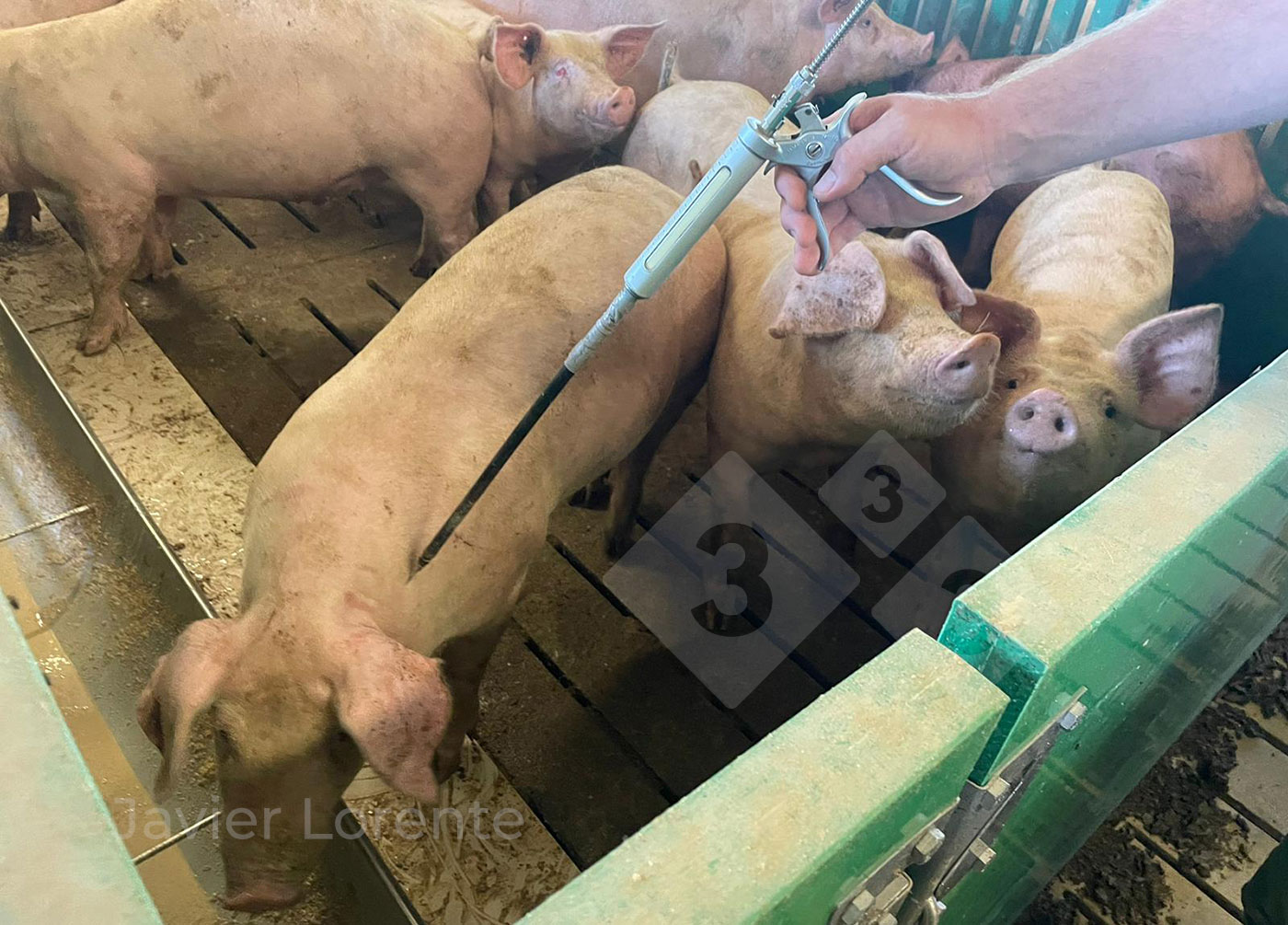
 INCORRECT ADMINISTRATION: Poorly trained personnel, not following the recommendations we saw in the previous article, not engaging in farm improvement, or performing the vaccination too quickly or inaccurately, could result in an incorrect vaccine administration point or the incorrect dosage.
 USING LEFTOVER VACCINE: Never keep opened vaccine vials for later use, firstly because they will have lost their correct storage conditions and secondly because the vials will have lost their sterility when the needles are inserted and we could infect the animals vaccinated with this leftover vaccine with an agent that has contaminated the vial. The maximum shelf life of each product once opened can be found in their technical data sheets.
 MIXING WITH OTHER PRODUCTS or vaccines not described in the package insert.
- RECONSTITUTING VACCINES: When necessary, single-use syringes should be used for this purpose and the vaccine should be used within a few hours.
 NOT VACCINATING: Lack of personnel, farm emergencies due to mechanical problems, breakdowns, etc. can never justify not vaccinating on time or correctly. For this reason, we must have properly sized teams and clear contingency plans in case any of these situations arise on the farm.
 EXCEPTIONAL SITUATIONS: Within eradication plans based on the use of vaccines, it is essential to ensure herd protection and for this purpose, 100% of the animals must receive the vaccine, including specific protocols for sick pens, possible cull sows, etc.
In addition to this, sometimes vaccines could cause adverse reactions such as fever, nervous and/or digestive alterations, low feed consumption, apathy, etc. These reactions can occur in different ways and it will be important to monitor the pigs well after vaccination in order to act as soon as possible. These possible adverse reactions are described in the products' technical data sheets and we must know them well in order to detect them and act when necessary.