
The gut–lung axis: How to rethink respiratory disease control in finishing
23-Jul-2026 (2 months 24 days ago)
Respiratory diseases are one of the problems that have the greatest impact during the finishing period because:
- They are typically recurrent pathologies.
- They tend to have a significant impact on antibiotic use, as they often affect larger animals with high water intake.
Furthermore, major changes in pig production, such as the withdrawal of zinc oxide and restrictions on antibiotic use, mean that digestive diseases in the finishing phase must be approached differently.
The relevance of the interconnection of the digestive and respiratory mucosa, known as the gut-lung axis
This connection is bidirectional:
- Intestinal dysbiosis can alter the immunity and microbiota of the respiratory mucosa.
- Respiratory diseases can also cause digestive dysbiosis, increasing the severity of the respiratory process.
This pathological cycle perpetuates itself over time, reducing the capacity for adequate clinical recovery.
Some key concepts we highlight in this new sanitary-production paradigm are:
The need for adequate control of the microbiota, understood as the control of digestive pathologies common in this phase, such as ileitis, dysentery, and salmonellosis.
The alteration caused by digestive pathologies leads to dysbiosis, which results in digestive inflammation.

Intestinal permeability increases, which alters inflammation mechanisms and generates a chronic inflammatory response.
The systemic immune response worsens, as a strong effector response occurs and the regulatory response is limited.
The ability of effector cells to recognize and eliminate pathogens determines the effectiveness of the immune response. However, when the immune system becomes overactive, an appropriate regulatory response must be in place to prevent the immune response from becoming uncontrolled/exacerbated.
In Figure 1, we see how controlling ileitis through vaccination of one of the groups helps us reduce inflammation, in this case, it is measured using haptoglobin in saliva.
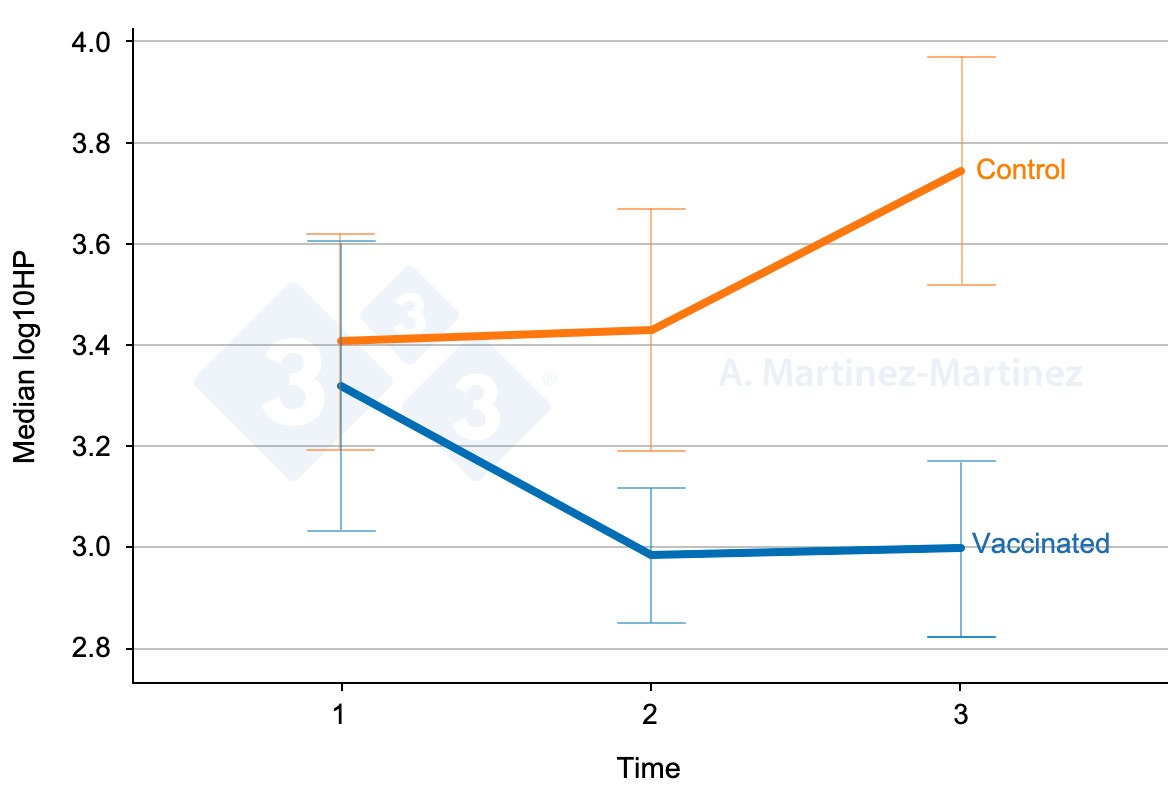
This chronic inflammation can lead to exhaustion of the immune response, causing the clinical symptoms to persist, therefore potentially increasing tissue damage in the target tissues. This will affect the rest of the animal's productive life, worsening the affected batch's production parameters and impairing the defense mechanisms of the damaged organs, predisposing them to further pathologies.
The importance of coinfections
Regarding pathogens that act directly on the lung, we rarely have infections due to a single etiological agent; they are usually complicated by coinfections of several pathogens:
- Influenza and mycoplasma: They have a strong synergistic effect since the influenza virus damages the respiratory epithelium, and mycoplasma causes destruction of the cilia, thus making it difficult to control the process.
- PRRS and mycoplasma: This coinfection increases tissue damage, impairing clinical recovery.
- Actinobacillus pleuroneumoniae: The toxins have an effect on coagulation and inflammation, causing necrotic and hemorrhagic lesions in the lung, and their association with mycoplasma increases the degree of lung lesions.
The importance of mycoplasma in all complications associated with respiratory diseases appears clear, making the resulting tissue damage more severe.
Action measures
Vaccination against digestive pathologies
Controlling digestive pathology will be one of the strategies. Vaccinating for ileitis, which is endemic on most farms, leads to a reduction in dysbiosis that occurs when the bacteria recirculate in the finishing phase.
Mycoplasma control
Mycoplasma is one of the most frequently found pathogens in finishing. Vaccines are widely available, but it is also true that in recent years there has been an increase in mycoplasma-related pathologies, significantly altering not only the severity of symptoms, but also complicating clinical recovery.
Mycoplasma is a target pathogen to be controlled.
The most frequent causes of failure of the mycoplasma vaccine administered during the weaning period are:
- PRRS recirculation at weaning.
- Higher replacement percentages on farms and, consequently, a greater number of piglets from gilts, which are usually the ones with the highest prevalence of infection.
- Raising the animals to heavier weights in scenarios of cheap feed and expensive pork, meaning that vaccination coverage may be insufficient.
Use of organic acids
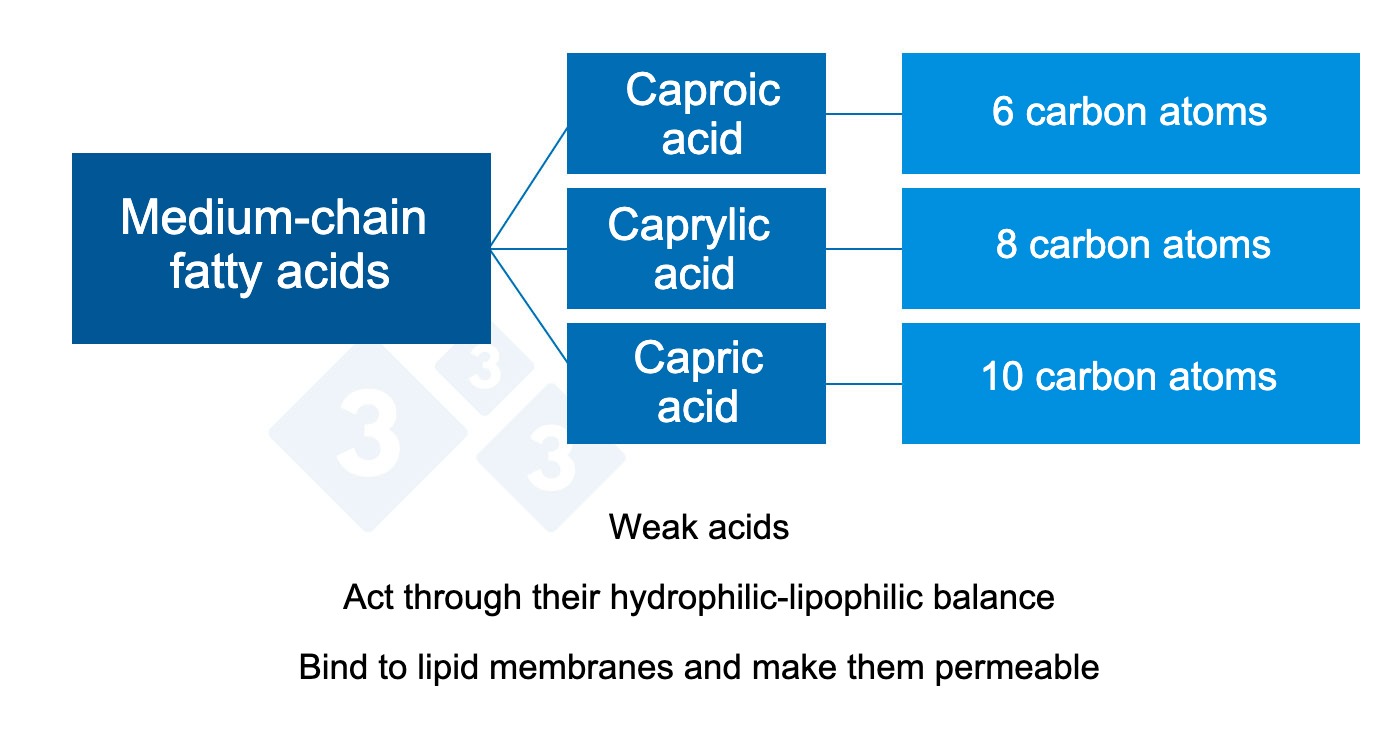
In sows, medium-chain fatty acids are used to improve their digestive health and that of suckling piglets.
Capric and caproic acids are acids that act on the cell membranes of microorganisms, destabilizing their cellular structure.
Antimicrobial peptides
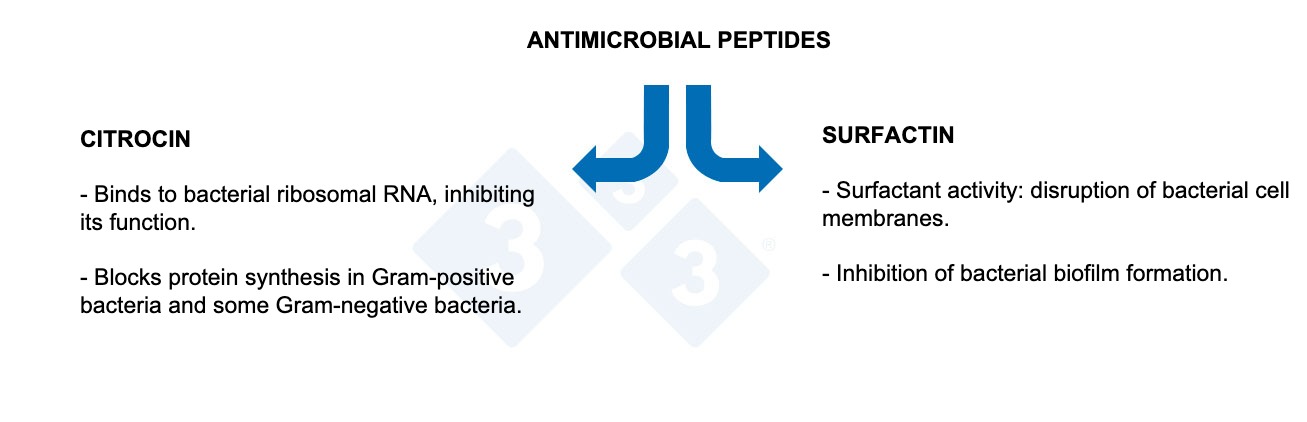
These are small amino acid molecules with antimicrobial activity and are among the elements involved in innate immunity, potentially serving as an alternative to antibiotics.
Our therapeutic approach
Farms should consult with their veterinarian to define their vaccination plan. In our circumstances, we vaccinate against Mycoplasma at weaning along with the Circovirus vaccine and revaccinate against Mycoplasma between 10 and 14 weeks of age to avoid complications from recirculation at the end of the finishing period.
The use of the aforementioned additives, whether in sows or in the finishing phase, can improve vaccine effectiveness by preventing potential intestinal dysbiosis that would worsen the immune response.
Conclusions
The context has changed, and therefore, the approach to managing diseases must also change. New knowledge of the gut-lung axis, as well as other mucosal interconnections, gives us the opportunity to implement more comprehensive approaches to managing various respiratory illnesses.
When considering the use of acids, peptides, or other molecules, we must be clear that in the control of respiratory pathologies, one of the therapeutic targets should be the intestine.