
Expansion of pig farming in Paraguay: Hugo Schaffrath discusses arrival of Costa Food Group
 Granja San Bernardo, in Paraguay, is recognized for its consistent productivity and outstanding performance in international evaluations. In the last eight cycles evaluated by Melhores da Agriness, it has won six Gold Piglet awards and two Silver Piglet awards.
This year, the company caught the attention of Costa Food Group, Spain's second-largest meat group, with 170,000 breeding sows, 80 million chickens slaughtered annually, and a strong presence in the Iberian pork chain, being one of the largest producers of Iberian ham.
With the opening of the share package, the Spanish group acquired a majority stake in Granja São Bernardo, initiating a strategic partnership that marks the beginning of a major pig farming expansion project in the country.
 In the following interview, farm owner Hugo Schaffrath tells how it all began, what motivated the investment, and what prospects there are for the future of the business in the region.
1. How did your farm and the Costa Food Group first get connected?
The first contact occurred when they came to Paraguay and met with all the players in the pork production chain, from the largest producers to the slaughterhouses. We were among those producers.
2. What caught Costa's attention when evaluating Granja San Bernardo?
They highlighted our clear stance on the business, the farm's figures, and the strength of both our administrative and production teams. The group realized that it could develop this initial project to reach 40,000 sows in Paraguay precisely because of what we had already demonstrated: productivity results, industry knowledge, and the ability to train people to grow. This set of factors motivated Costa to enter into a partnership with us.
3. What will the construction and commissioning project look like?
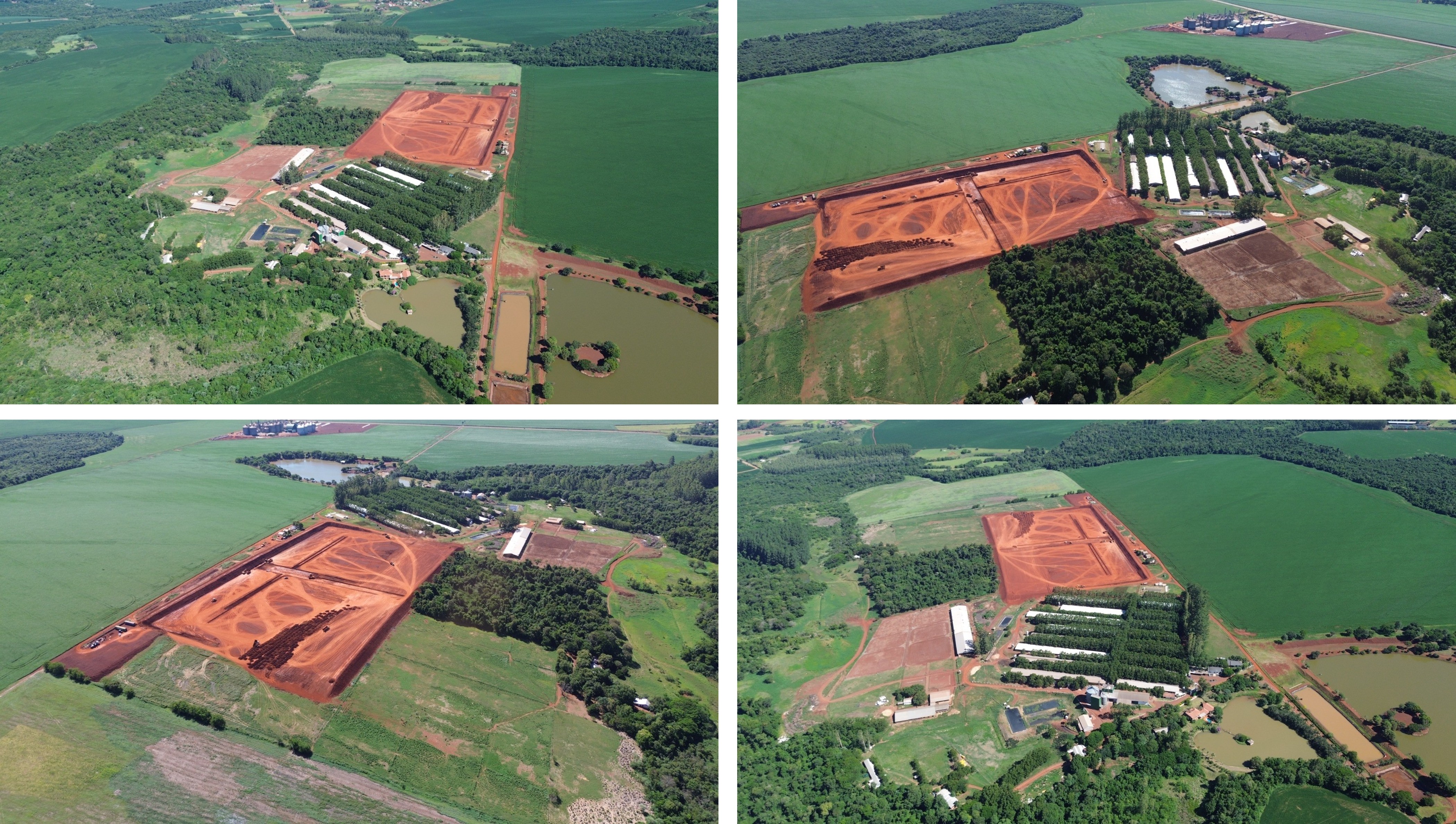
The project envisages 40,000 sows working in an integrated system. We will produce piglets in three farrow-to-wean farms, each with 13,500 sows. We have already begun construction of the first farm and even before completing it, we will begin the second, and so on with the third.
Between the first and second farrow-to-wean farms, we will begin construction of the cold storage facility. In this first stage, we will use the country's existing slaughterhouse infrastructure, which has spare capacity, allowing it to absorb the initial production volume. Our own slaughterhouse will be built in the second stage, when the slaughter volume will reach approximately 900,000 pigs per year.
The ultimate goal is that, with the 40,000 breeding sows in place, we will be able to produce around 1,400,000 animals for slaughter per year.
4. Does the group intend to work primarily with the domestic market, exports, or both?
The main focus of the project is exports. Paraguay is a small country with a population of around 7 million and a growing per capita consumption of around 10 kg. We believe that this consumption could increase by around 0.5 kg per inhabitant per year.
The domestic market is expected to grow, but the main objective is to serve the foreign market. The Costa Group is already licensed to operate in 107 countries, which opens many doors. Whenever there is room for the domestic market, we will make products available, but we will ensure that this does not harm Paraguayan producers, as this is our commitment.
5. How do you think this will impact the Alto Paraná region and the border area, both socially and economically?
The project is located in Alto Paraná and will have a huge impact. We estimate that piglet production alone will create more than 500 direct jobs. As for the slaughterhouse, there will be more than a thousand jobs. About 450 producers and families in the region will also benefit.
Our total estimate is approximately 2,500 direct jobs and 15,000 indirect jobs, resulting in an extremely significant boost for the entire region, which is expected to undergo very significant development.
6. In your opinion, what does Costa's move mean for the future of the industry in the country?
I believe it is a historic moment. Today, Paraguay has around 42,000 breeding sows. There are already other projects in expansion: three companies that together should add around 20,000 sows. But a single project of this size will certainly be a turning point for Paraguayan pig farming. And this is just the beginning. This movement has motivated other players in the chain to also grow, contributing to the development of the entire country.
The partnership between Granja San Bernardo and Costa Food Group marks a new chapter for pig farming in Paraguay. With investment, scale, and long-term vision, the project puts the country on a path of accelerated growth and opens up new opportunities throughout the production chain, signaling a promising future for producers, slaughterers, and the market.