
Visit to the IFIP-Institut du Porc experimental swine station
15-Mar-2024 (2 years 7 months 3 days ago)
Before we explain how the experimental farm works, we would like to thank IFIP for letting us visit the facilities and a special thank you to Anne Hemónic for guiding us during the visit and for explaining how everything works.
Facilities
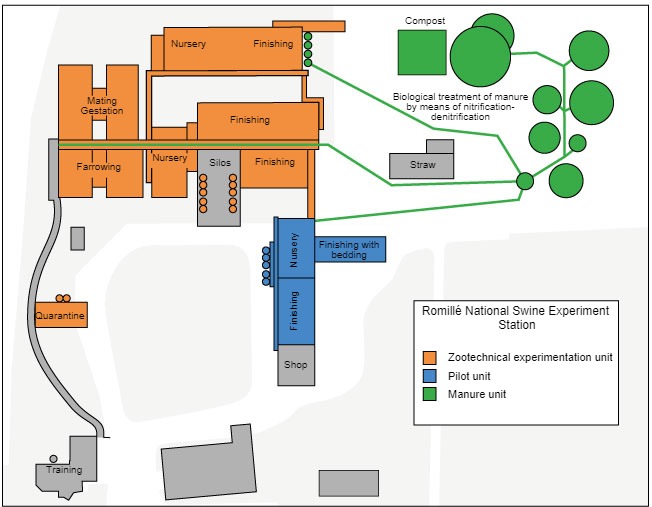
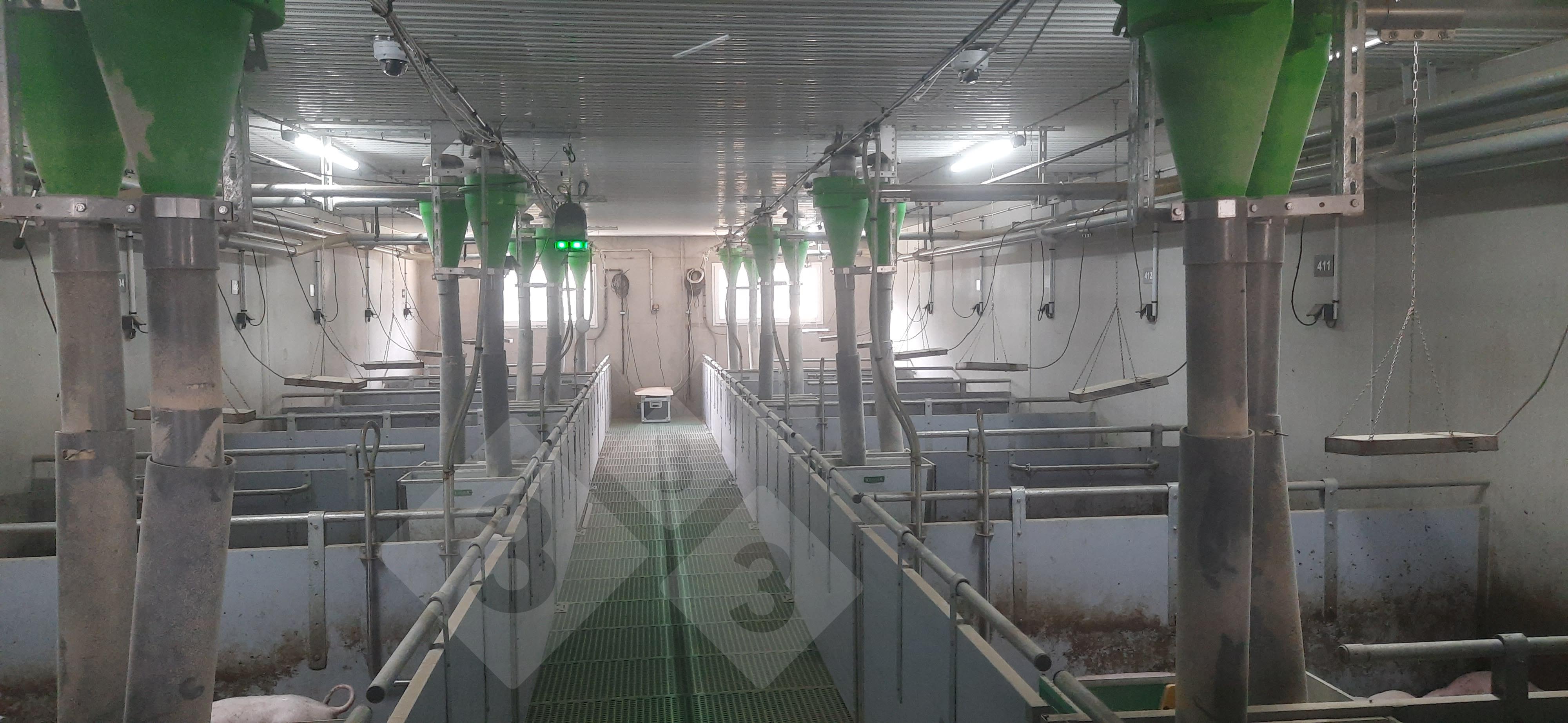
The facility houses 200 sows and is farrow-to-finish. The oldest buildings have been remodeled and expanded, including the construction in 2013 of rooms for group-housed gestating sows, loose-housed farrowing units, and a new nursery and finishing building in 2021. For 2024, there is a construction project for two pens with a capacity for 30 finishing pigs housed on bedding and with access to an outdoor patio on slats or concrete slab.
Housing types
The experimental station has different types of housing, some of which replicate the most common systems in France to date (slat floor, liquid feeding, gravity evacuation of slurry, etc.), while others are evaluating new trends, for example:
- Centralized ventilation with a heat exchanger at the outlet to recover the heat from the extracted air and use it to heat the air entering the buildings from the outside.
- Air scrubber.
- V-shaped scrapers in the finishing pits.
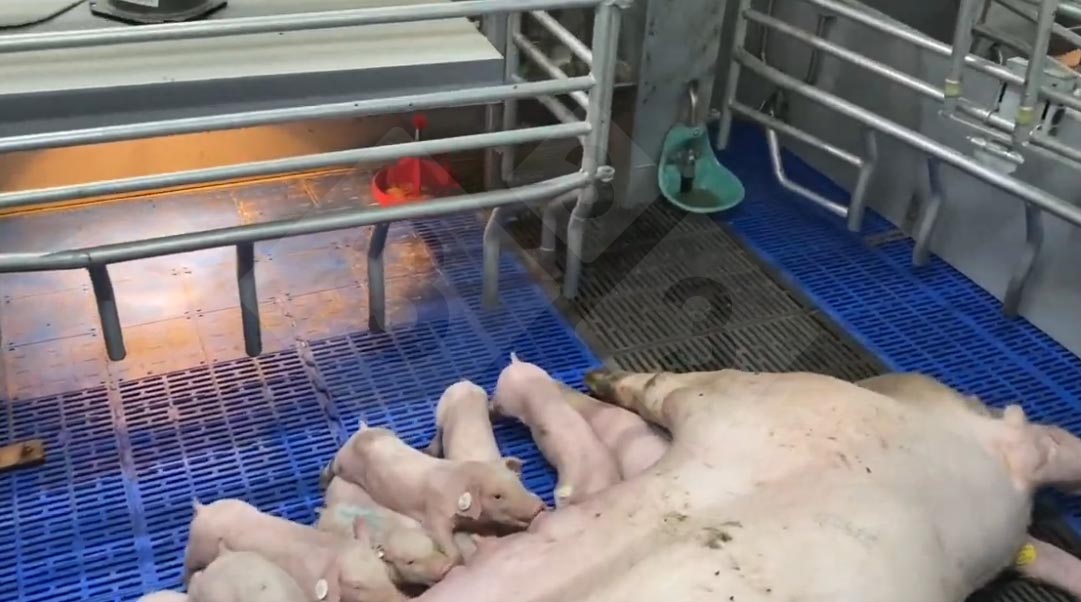
- Free-range farrowing in 6.5 m² pens equipped with movable floor, a weighing area, a nest for piglets, an on-demand feeding device, and removable partitions that allow the width of each pen to be adjusted to increase or decrease as needed.
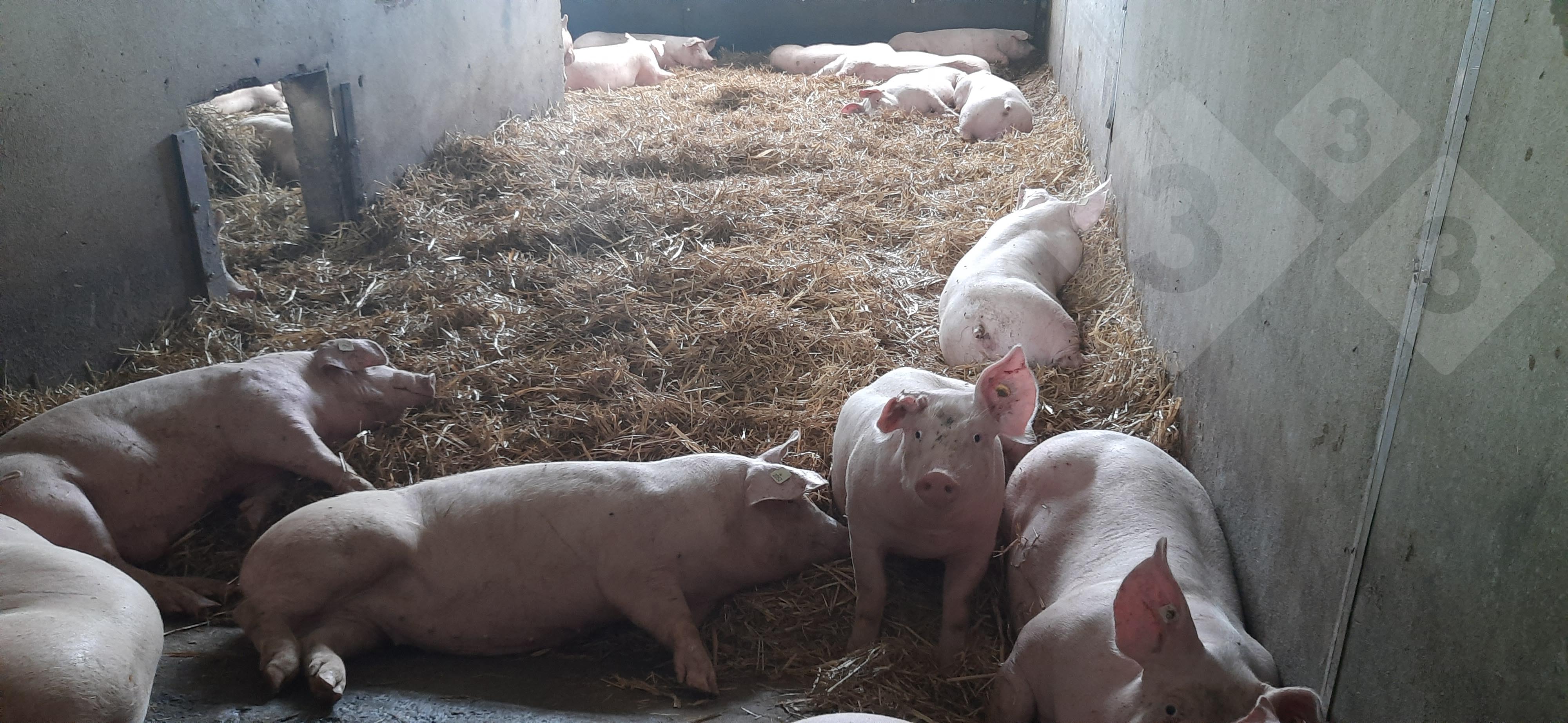
- Rooms with partial slat, total slat, or with bedding.
- Rooms with small pen sizes to accommodate groups of 8 to 10 animals. While this does not represent the reality of commercial farms, they provide the trials with greater statistical power with the purpose of each pen being a statistical unit.
Biosecurity
At the farm entrance, there is an area with ten showers where all personnel entering the barns must shower and put on specific, clean clothes to enter the pens.
To move from the farrowing unit to the nursery and finishing unit, changing footwear is required, which is color-coded.
Feeding system
To be able to perform as many trials as possible with different types of feed, the experimental station has 32 silos with a 4-ton capacity and five silos with 16 tons. The system allows each component to be weighed and once mixed, the feed is distributed throughout the station pneumatically. The advantage of this system with pulsed air is that it can be sent over very long distances and there is no risk of mixing two types of feed because they are separated by air. There are more than 200 different delivery points.
Laboratories
Since the end of 2023, three microbiology laboratories, a chemistry laboratory specialized in analyzing meats and sausages (skatole/androstenone, oxidation, nitrosated compounds, etc.), and a technological laboratory for producing meats and sausages under controlled conditions, as well as a mobile tomographic scanner installed on a semi-trailer, have been up and running.
Origin of the experimental animals
The animals are purchased from a multiplier near the facilities. While previously part of the pigs were sold for finishing, the expansion of the facilities has made it possible to finish all the pigs, so there are more animals to integrate into the different trials and a greater number of data.
From a sanitary point of view, the animals are representative of Breton farms. The animals used are carriers of certain classical local pathogens (Mycoplasma, influenza, E. coli, etc.), excluding PRRSV, with little clinical expression, which makes it possible to avoid biasing the experiments by being sufficiently representative of field conditions.
What types of trials do they run?
Due to the great diversity of equipment, all kinds of trials related to handling, nutrition, reproduction, ventilation, welfare, behavior, sanitation, environment, etc. can be carried out in the facilities.
Some examples would be:
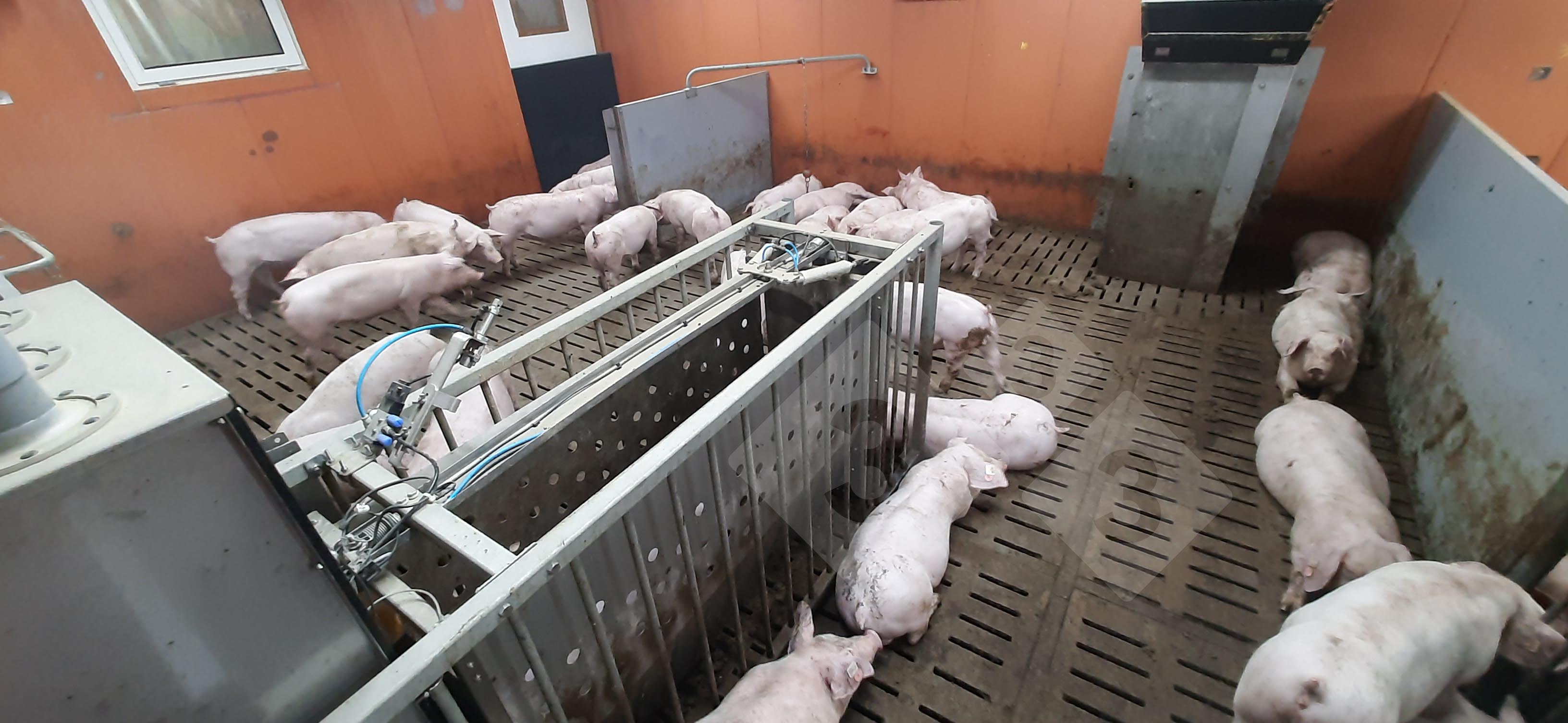
- Precision feeding trials using systems capable of distributing feed individually for each animal according to sex and live weight. The system comes equipped with an animal weighing station.
- Adaptation to climate change and rising temperatures: they investigated the use of a less thermogenic feed, a change in meal times by programming the machine to offer meals during the least hot hours, etc.
- Finishing on straw bedding with slatted outdoor yards: this project, with a system little used in France, but with better societal acceptability, should make it possible to assess the possible advantages and disadvantages, from the point of view of animal health and welfare, but also that of the workers, as well as the environmental impact, the additional economic cost, etc.
- Use of ear tags with RFID technology to study individual animal behavior and maintain traceability even up to the slaughterhouse.
- Trials with castrated and entire males.
- Experiences with tail biting.
- Loose housing in farrowing.
- Different forms of manure removal.
- Use of different types of manipulable materials such as jute fiber, wood, etc.
- Use of cameras in pens.
The staff
The facilities have a total of eight workers between caretakers and administrative personnel. There are three caretakers in the farrowing barns, while in the nursery and finishing areas, there are usually four people and often there are also trainees and doctoral students.
The personnel must be able to change routines from time to time as each experiment will require a specific type of handling or the collection of different data.
Data collection
Some data are still collected on paper and need to be consolidated and analyzed, although digitization of data acquisition and processing is now an integral part of the project. Technical results are available in real time and can be linked directly to slaughter data.
The data, once centralized, are analyzed by engineers with the purpose of proposing new recommendations for pig farming.
How are they financed?
The experimental station responds to the experimental needs of farmers, companies in the industry (food, genetics, pharmaceutical laboratories, etc.) and public institutions.
It is also financed by French and European calls for projects.