Do I have dead pregnant sows? What could be the cause?
13-May-2020 (6 years 5 months 3 days ago)
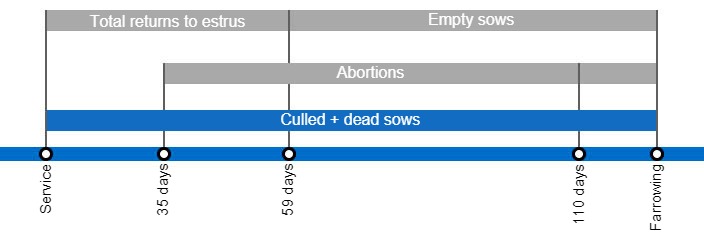
Dead sows are all those sows that die or are euthanized during gestation and therefore cause a loss in number of farrowing.
The percent of dead sows over mated sows should always be less than 2-3 %.
With the new genetics and the restrictions related to sending sows to slaughter that are not in perfect condition, this percentage has risen on almost all farms from what was typically seen a few years ago.
It is necessary to distinguish between the causes that result in dead sows and those that force sows to be euthanized on the farm.
Causes for death in sows
Sudden deaths: This is one of the factors often listed as the cause of death. However, the causes of these sudden deaths can be varied. Knowing at which point in the gestation they occur will help us determine the cause of death.
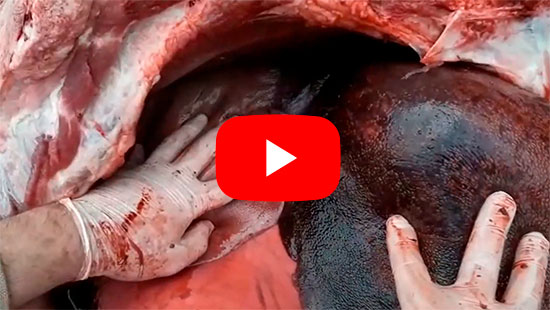
- Sudden deaths in late gestation: When sudden deaths occur at times of high feed intake (late gestation) they may be caused by what is known as hemorrhagic bowel syndrome. Usually this type of death is produced by irregular feeding patterns (sows that do not eat one day and the next day manage to eat more than they should). Hemorrhagic bowel syndrome includes what are known as Cl. novyi enterotoxemias and also intestinal torsions (as seen in this video by Cesc Illas) or torsion of other organs, such as the liver or spleen, both processes are the result of altered feeding patterns.
These dead sows tend to bloat very quickly post-mortem (in less than 2 hours) due to the proliferation of Clostridium from the intestine.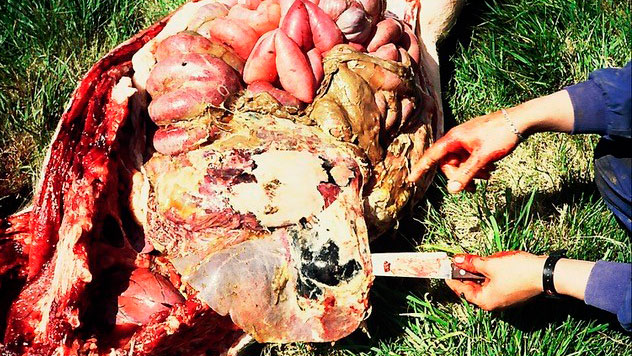
At the end of gestation, the sows' abdominal pressure is substantial as a result of gestation (with a significant number of fetuses) and sometimes too much feed intake. All this increases the pressure on the chest cavity, limiting lung capacity and making it difficult for the heart to work, especially in cases where there are chronic lung or pericardial lesions. In the most serious cases, sudden death of the sow occurs. In these cases, respiratory distress can be observed before death.
-
Sudden deaths in the beginning of gestation: Cystitis or urinary problems can cause sudden deaths especially at the beginning of gestation, when the pH of the urine is higher, increasing the risk of proliferation of E.coli.
Gastric ulcers can also lead to sow losses. They are more frequent during the lactation phase, which is why if they cause death in gestation it will be in early gestation, since it is a consequence of what happened in the lactation phase.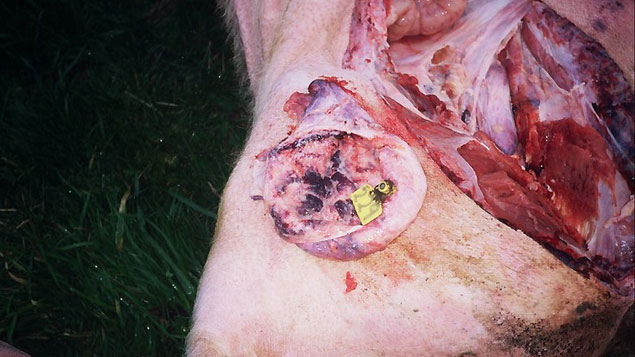
When sudden deaths appear that do not follow any kind of pattern, problems with the facilities must be ruled out (for example, problems with the electronic feeding systems, or health problems as a result of an infection.
Causes for sows needing to be euthanized on the farm
When sows are euthanized on the farm it tends to be due to slower processes. Some of the most common causes are:
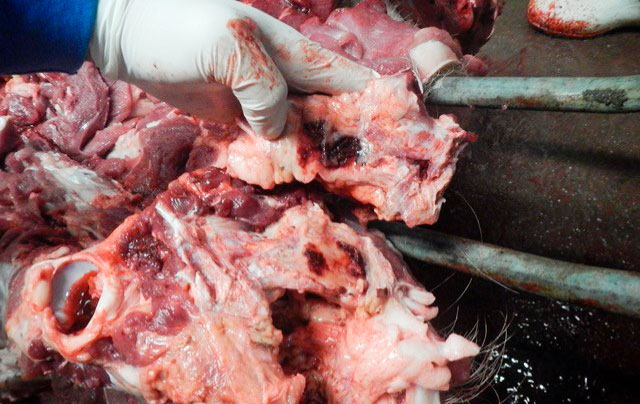
- Lameness problems, consequence of M. hyosynoviae infections, bone injuries/fractures, or osteomalacia problems. In cases of fractures, it is common to find bruising or necrosis around the fracture during the necropsy.
-
Causes of bone weakness.
-
Low levels of phosphorus in the diet
-
Gilts raised on feed that is not formulated for future breeding animals.
-
Gilts serviced too early (less than 220 days old).
-
-
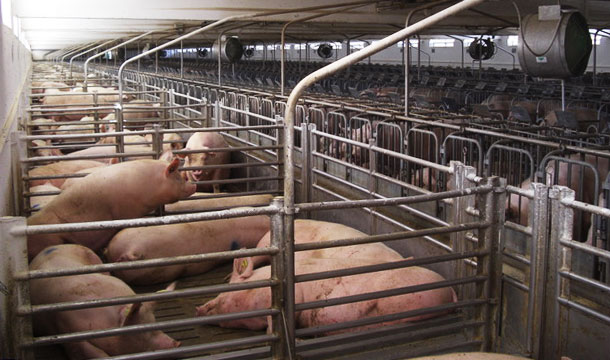
Caused by excessive competition.
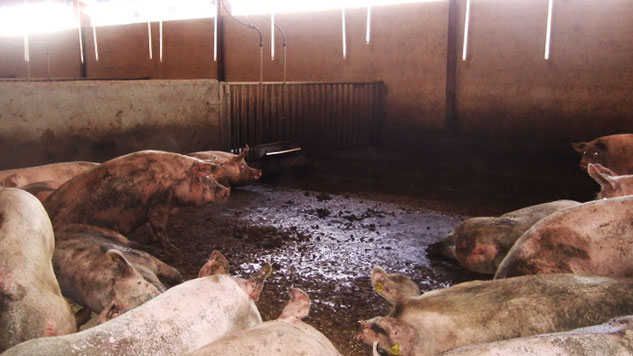
- Caused by damp, slippery pens.
-
- Problems derived from poor feeding during the lactation phase, with sows that are serviced in very poor body condition, making it very difficult to recover.
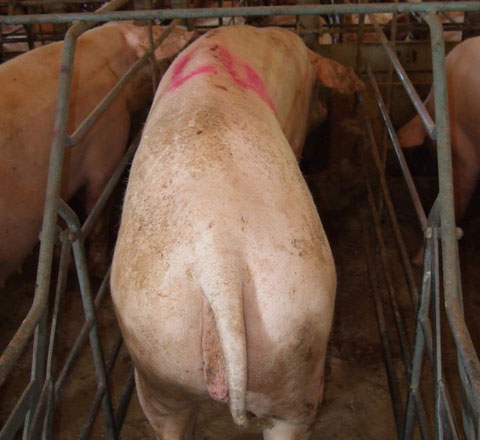
- Anemic sows due to a gastric ulcer that is difficult to heal.
Use the flow chart to continue your troubleshooting or to access other parts of the tool.