
Clinical case: One clinical picture of parvovirus, two separate causes
26-Sep-2016 (10 years 20 days ago)
Farm description
The farm is located in the northwest of Spain, relatively isolated from other farms.
It has a capacity of 1,000 dams. Phase 1 and phase 2 are located in the same place, and part of phase 3 (5000 fatteners) is 1 km away. The rest of the pigs are delocalized, away from phase 1 and 2.
Health status: PRRS, mycoplasma, App, flu, mange and ileitis-positive, and rhinitis and Aujeszky-negative.
Pigs are vaccinated against PCV2, mycoplasma, PRRS (only replacements, with a live vaccine and a booster), influenza, Coli-Clostridium, parvovirus-erysipelas (vaccination at 6 months and revaccinaton for replacement gilts and one dose on the 7th day of lactation for multiparous sows.)
Replacements: usually 100 kg gilts (45% annually), until the end of 2013. A decision was made in early 2014 to buy grandmothers, so 100 kg animals were still bought throughout 2014 until, in early 2015, the farm started to be able to provide its own replacements.
First occurrence
In March 2014 the farmer, alarmed, calls us describing a clinical picture of abortions in the last third of gestation, weak newborn piglets, stillbirths, mummified piglets, agalactia, sows with fever and small litters.
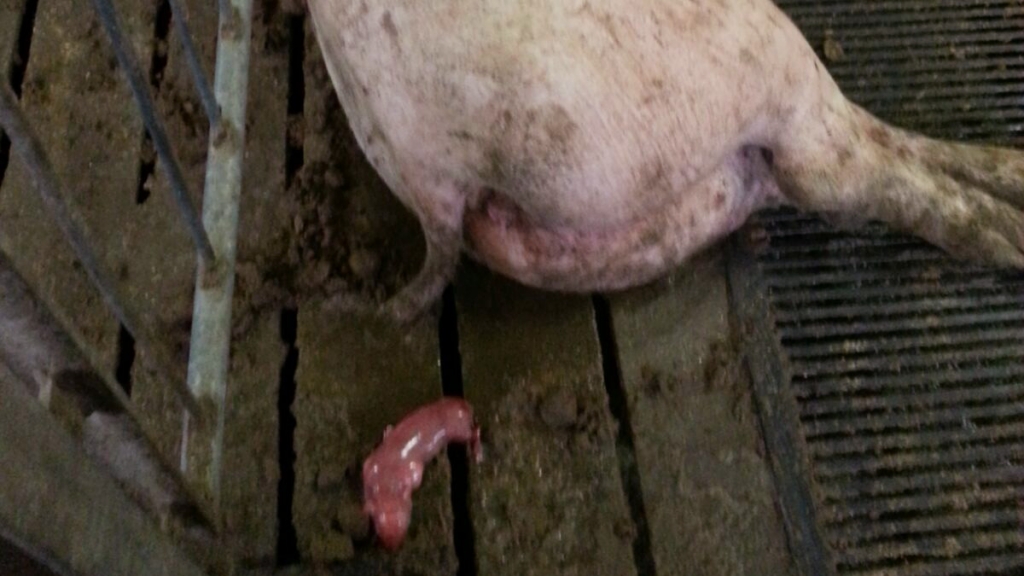
Photo 1. Abortion in the gestation barn.
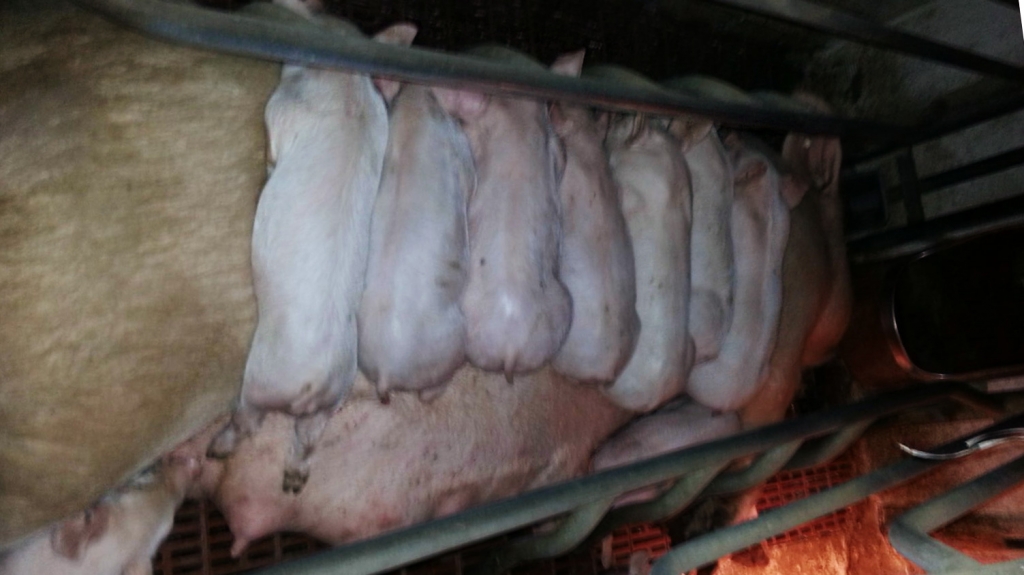
Photo 2. Attitude of piglets whose dam has stopped producing milk and developed a fever.
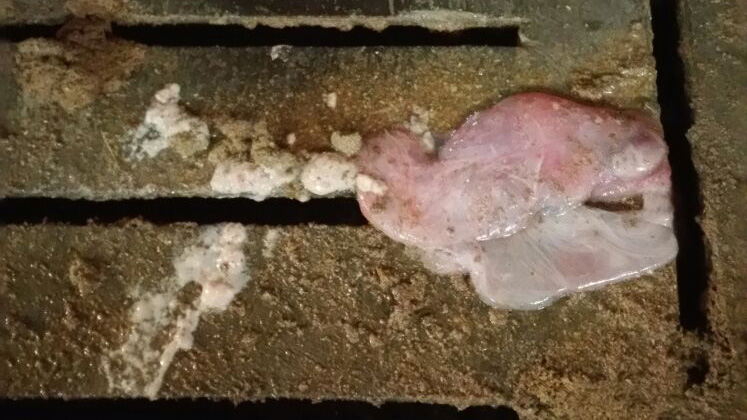
Photo 3. Abortion at day 30 due to the fever
Visit to the farm
We go there quickly because of the seriousness of the clinical picture.
We notice a very high number of abortions, about 30% in 4 consecutive weekly batches. Severe agalactia is seen in recently farrowed multiparous sows, as well as an increase in the number of weak, mummified, dead and nonviable piglets, which results in a decrease from 11.5 to 3.2 in the number of weaned piglets/farrowed sow. This situation continued, with receding severity, for 1 month. The disease appeared to affect gilts and multiparous sows to the same extent. As for the analysis of the clinical picture per cycles, there is a difference, in my opinion, quite enlightening.
Signs in gilts included few live births, some weak piglets and mummies of different sizes, with no cases of out of the ordinary agalactia, whereas the clinical picture in multiparous sows was perfectly consistent with a PRRSv infection: stillbirths, weak piglets, large and equal-size mummified piglets, agalactia, sows with fever and high mortality in piglets.
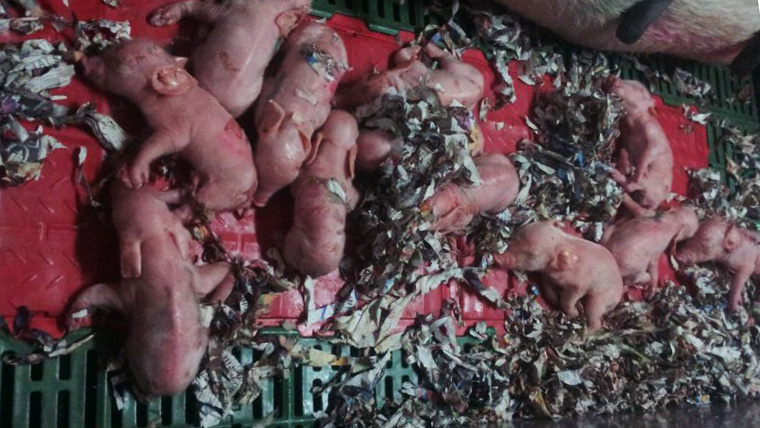
Photo 4. Litter of nonviable piglets due to PRRSv infection.
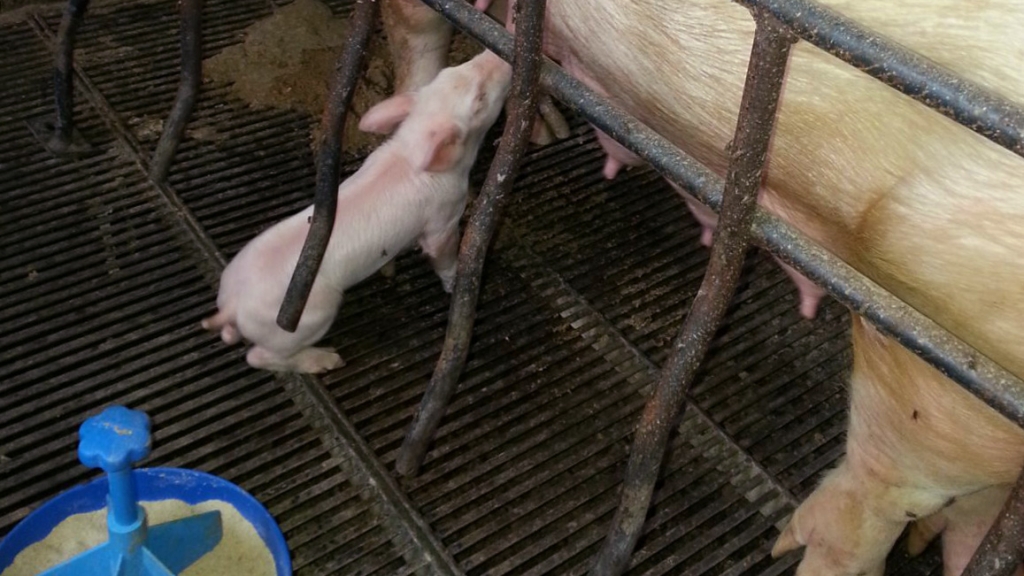
Photo 5. Attitude of a hungry piglet due to maternal hipogalaxia.
Diagnosis
Parvovirus and PRRSv are both suspected, so tests are carried out in symptomatic multiparous sows and gilts.
Average results in gilts
- Parvovirus titer: 1: 20,000
- PRRSv titer: 1: 60
- Mummies analysed:
- Parvovirus +
- PRRSv PCR -
- Parvovirus +
Average results in multiparous sows
- Parvovirus titer: 1:300
- PRRSv titer: variable, but PCR +
- Piglets analysed:
- Parvovirus -
- PRRSv PCR +
- Parvovirus -
At first, it seemed clear that the cause of the presence of mummified foetuses in gilts was a recirculation of parvovirus, whilst they seemed to be protected against PRRSv. However, the situation with multiparous sows were exactly the opposite, i.e., they were being affected by PRRSv and protected against parvovirus.
Why was this happenning?
Given that multiparous sows had not been vaccinated against PRRSv but cycle vaccination protected them against parvovirus, their symptoms are perfectly explained by a recirculation of PRRSv.
As for gilts, they were protected against PRRSv as a consequence of pre-service vaccination, but why were they not protected against parvovirus if both a vaccine and a booster were being applied previous to service?
Only one answer was possible: interference with maternal antibodies.
Blood samples were immediately taken from the new F1 arrivals, which confirmed our suspicions: the titers were very high up until the age of 7 months, leading to interference with the administered vaccine.
Measures taken
- PRRSv: Blanket vaccination and booster at 21 days, with a live vaccine, then cycle vaccination at 90 days of gestation with an inactivated vaccine. The protocol currently applied is: blanket vaccination against PRRSv with a live vaccine, twice a year; plus an inactivated vaccine at 90 days of gestation. Gilts receive two doses of a live vaccine against PRRSv and are serviced 50 days after the last dose.
- Parvovirus: Vaccination is delayed as much as possible for replacements, which will eventually receive 3 doses at 21-day intervals before their first service. Gilts that were already pregnant were given a new vaccine and booster against parvovirus.
- All biosecurity guidelines were improved.
- Transfers in lactation were minimized.
- Movement of piglets was limited to forward movements, making it clear that small piglets must not be delayed by keeping them with younger animals until they reach the desired weight.
Case development
The measures taken worked extremely well. Normal production was gradually restored, but for an unforeseen situation: 20% of multiparous began to farrow mummified piglets of different sizes during the summer of 2014; the number of mummified piglets increased from 1% to 5%.
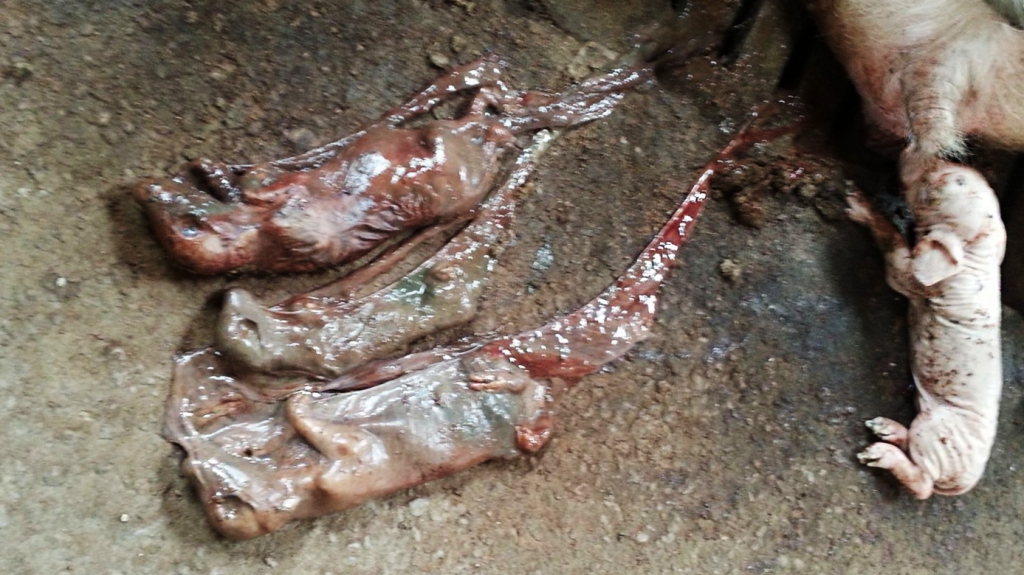
Photo 6. Mummies of different sizes caused by parvovirus infection and premature farrowing caused by PRRSv in the farrowing unit.
After tracing the affected sows back in the productive system, it was found that they were, almost entirely, sows that had late abortions or that had been weaned without piglets due to PRRSv recirculation and to farrowings with a low number of born alive due to parvovirus.
What had happened?
The answer is that they were not vaccinated against parvovirus on day 7 of lactation because they had already been weaned by then, therefore they went unvaccinated through nearly two cycles, and the vaccine titers could not protect them for so long. Vaccine titers can last for 4-5 months and maternal titers for 6 months; Titers from field virus infections last more than two years and maternal ones can be present for up to 9 months. After this event everything returned to normal.
What did we learn from this case?
- It is crucial not to relax biosafety standards once a high stability regarding PRRS is achieved in the farm and its isolation is enough to keep it like that, because in a few days the situation may be quite different.
- Even if recirculation of PRRSv occurs, chances are that not all problems in the farm are attributable to this virus. The situation must be assessed properly and a correct differential diagnosis must be reached and verified against the lab results.
- It is important to check the levels of maternal antibodies against parvovirus in gilts, as they are likely to interfere with vaccine protocols and efficiency. Taking things for granted leads to error in more than one occasion.
- We must bear in mind that all those sows that are weaned before cycle vaccination day (in this case on day 7 of lactation) must be vaccinated against parvovirus. Consequences become more severe if the number of unvaccinated sows is large (20%), and even more so if there is recirculation of PRRSv, as was the case in this farm.