
Health protocols for replacements: gastrointestinal diseases (3/3)
10-Oct-2016 (10 years 8 days ago)
The importance of acclimatizing replacements to the enteric pathogens present on the holding must not be forsaken when designing an acclimatization program for gilts. In this case, the goals of the acclimatization process include: exposing the future sows to the pathogenic microflora present on the farm and ensuring adequate concentration of specific antibodies at the time of farrowing in order to protect the offspring against enteric disorders during lactation.
As with any acclimatization process, the combination of natural exposure and vaccines would be the most advisable option. However, when it comes to enteric pathogens, the active immune response depends on the production of antibodies at mucosal level, and this is the reason why the most effective vaccines must be administered orally (e.g., the vaccine against Lawsonia intracellularis). There are not many immunoprophylaxis options available on the market, just the vaccine against E.Coli, Clostridium, Lawsonia and autogenous vaccines.
Natural exposure or feedback has been widely used in gilt acclimatization. Although there is no exact science regarding the feedback implementation protocol, it's been proved to be effective, when applied correctly (sufficient exposure), in the control of certain enteric diseases for which vaccine immunity is not sufficient or does not exist (TGE, rotavirus, etc).
Three basic points must be considered in the feedback process:

- Certain bacteria are capable of producing toxins quickly, and some pathogens can be destroyed and lose their immunogenic properties over time. Use "fresh" material or freeze it.
- Administer feedback multiple times and consistently. Let the animals "cool down", i.e. suspend administration at the right time to avoid excretion upon entering the farrowing pen. The use of this technique is highly recommended during acclimatization and before farrowing.
- Analyse the material (samples can be frozen for subsequent analysis) to know what the animals are being administered. Using this system for immunization against Clostridium or rotavirus is no use if the pathogen or strain are not present. Exposure must be consistent in the replacement process (e.g., in the case of PED, the amount the animal is exposed to in one dose is more important than administering multiple doses with a small amount of virus in each dose).
For some pathogens such as E. coli or Clostridium, the subsequent additional use (feedback) of a bacterin, can work well as a booster.
It is very important to assess whether or not to use this technique. Do not use it in outbreaks of PRRS or in farms with swine dysentery.
Example of a feedback program during replacement procedures
Material to be collected
- Faeces from gilts in the farrowing room (1 to 3 days after farrowing).
- Faeces from piglets with diarrhoea or intestinal contents of piglets that died the day of collection. To collect diarrhoeal stools from the farrowing pens, absorbent paper (such as kitchen paper) or a mop can be used. In acute diarrhoeal diseases, just press the piglet's abdomen to obtain a certain amount of material. This material is then dissolved in unchlorinated water (if possible.) Please, bear in mind that if some piglet drying agent has been used in the farrowing pen, this can interfere with the viability of the microorganisms.
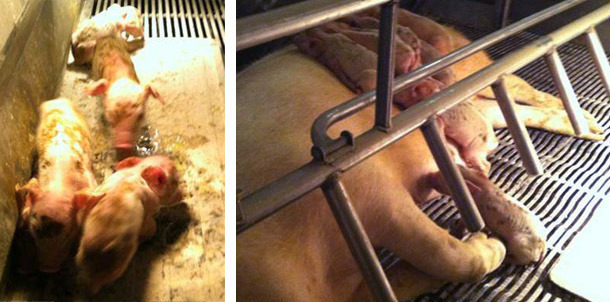
Figure 1. Suckling piglets with diarrhoea
Preparation of material
- The water used to prepare the material should ideally be cold and chlorine free. Use only the amount of water needed to dissolve the material. If chlorinated water or oxygen peroxide is used, leave the water to be used in a container the day before preparation.
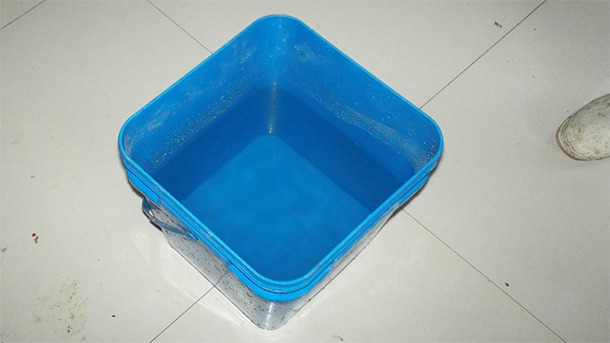
Figure 2. Water ready for use after a night of "rest".
- Dissolve the faeces and materials collected in the farrowing pen in the water to obtain the total volume required for the number of gilts. 75 ml per head are required, so if we have approximately 250 gilts,18 to 19 litres of preparation will be required. If tissues (intestines) are used, try to emulsify the mixture (e.g., with a blender).
- Use the prepared material immediately and no more than 4 hours after preparation (or freeze it straight away). Do not save it for the next day.
Feedback administration
-
The feedback material will be given at least 3 times during acclimatization (for 2-3 days every time). It is best to assign specific days to plan the preparation of the material.
- Transport the material to the acclimatization area in a container, which will be washed after each use.
- The through feeder must be empty before administration of feedback. Distribute the material in the feeder and add a small amount of feed manually. The feed should be antibiotic free.
- If the floor is fully slatted and the material can not be administered in the feeders, consider freezing the mixture (in 1 litre bags) and administering it on the floor as a "block", which will then be treated as a toy by the sows as well as an acclimatization means.
- In group pens that include a non-slatted area, mix the feedback material with food and spread it on the floor, as long as you can ensure that each animal receives a dose.
- There are more automated methods, such as water dosers, electronic feeders (C. Martinez et al, 2014 IPVS.) However, European legislation on animal welfare requires that all animals have a clean source of water freely available, and this must take into account.
- For enteric viruses (PEDV, TGE, or rotavirus), an alternative way of preparing and administering the feedback during acclimatization would be collecting faecal material from live piglets in the first 18 hours after infection, diluting this material in normal saline and spraying the solution on the sows in order to infect them. Concentration of these viruses in suckling piglets' faecal material is much higher than in sows' bowels or faeces.
- The feedback procedure must be completed at least 3 weeks before service.
Feedback of replacements before farrowing
Material and preparation
- Use the same type of material used in the previous section and prepare it the same way
- The amount to be administered will also be 75 mL per animal.
- If recirculation of PRRSV is present, discuss it with your veterinarian.
Administration
- All the techniques described above can be used.
- Prepare feedback for two weeks and then freeze it.
- It should be administered between 79 and 93 days of gestation.
- Avoid feedback in any sow that's more than 93 days into gestation.
Keep in mind that, for replacements, it is important not to administer feedback before 20-22 weeks of life and in the three weeks before service or farrowing.
The feedback technique before farrowing can be counterproductive in gilts that have not been exposed during the acclimatization phase, because they can vehicle these pathogens into the farrowing room. Exposure during acclimatization can be considered the first dose of a vaccine, and pre-farrowing exposure its booster.
Table 1. Feedback characteristics depending on the material used.
| Cost of equipment | Time required | Ease of use | Effectiveness | |
| Frozen material | + | ++ | ++ | ++ |
| Liquid diet dispenser | ++ | + | +++ | +++ |
| Water dosers | +++ | + | +++ | +++ |
| Spray | + | +++ | + | + |