
Implementation of a peripartum feed
04-Aug-2016 (10 years 2 months 7 days ago)
Why a specific peripartum feed?
One of the main problems with the use of hyper-prolific sows is the high mortality of piglets and the low weight of weaned piglets due to the limited production of milk.
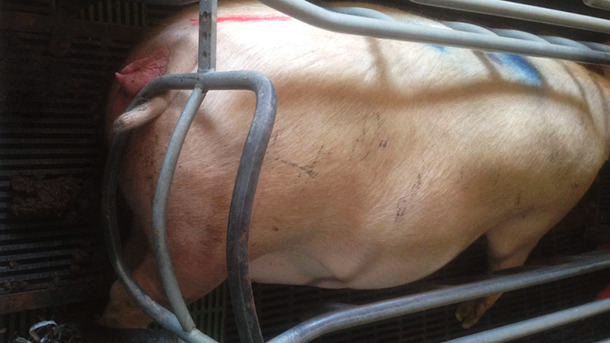
Figure 1. Sow recently introduced in the farrowing unit (courtesy of Farm Escoda).
There is increasing evidence in recent literature suggesting that certain nutrients and feed consumption patterns in peripartum help to improve survival and growth of piglets during lactation. Some examples include:
- A high intake of fibre in the last week of gestation increases the % of fat in colostrum as well as colostrum intake by the smaller piglets, and decreases pre-weaning mortality (F. Loisel, 2013.)
- When the supply of nutrients from the diet is low, or it is excessively rationed before farrowing, the sow becomes catabolic. This increases the production of ketone bodies, which may cause ketosis which, even though it usually causes no clinical symptoms, can lead to suboptimal production (Theil et al, 2013.)
- Sows that are catabolic in the last weeks of gestation produce less colostrum (Decalowe, 2013.)
- The smaller the electrolyte balance of the feed (Na + K – Cl), the lower the urine pH and bacterial contamination (DeRouchey, 2003.)
- Sows that are fat at farrowing (> 23 mm P2) produce less colostrum, so excessive fatness during pregnancy should be avoided (Decalowe, 2014.)
- Sows with a high feed intake (> 4 kg vs. 1.5 kg) in the last week of gestation produce more colostrum (3,999 kg vs. 3,503 kg) (Decalowe, 2014.)
- The greater the intake of colostrum per kg of LW in the piglet, the greater the daily weight gain and survival of piglets (Decalowe, 2014).
This is the reason why more and more animal feed manufacturers and genetic companies recommend maintaining the intake level at the end of gestation right up to farrowing, or even increasing peripartum nutrient intake, either through increasing the consumption or the feed concentration in this period.
Peripartum covers the time between 5-7 days before farrowing until 2 days after farrowing. During this period sows experience substantial and quite sudden changes.
Drastic hormonal changes take place at the end of gestation. Foetuses begin to synthesize cortisol due to the stress they suffer, thus triggering the farrowing, since it affects the synthesis of steroids in the sow. Oestrogen levels rise, inducing the synthesis of prostaglandins, which cause luteolysis and the consequent decline in progesterone. This happens approximately two days before farrowing.
Another aspect we need to pay attention to is stress in the sow, which can increase its cortisol levels and cause problems such as slow farrowings and reduced milk secretion.
To try to minimize peripartum risks and assist in the transition from gestation to lactation, a specific low electrolyte balance diet is used that also includes organic acids, with the aim of improving the health status of the sow and reduce the risk of urinary infections. This diet also has high levels of fibre, to reduce the risk of constipation, and omega 3 fatty acids, that increase piglets' vitality.
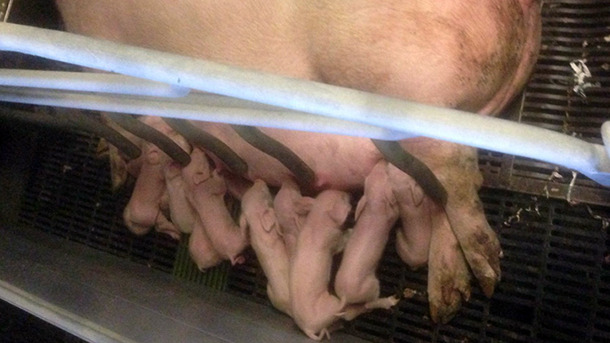
Figure 2. Sow and its recently farrowed piglets (courtesy of Farm Escoda).
How it was used in the field
Let's see how the use of a peripartum feed was implemented in a commercial 48 weekly farrowings piglets farm and its results.
The sows enter the farrowing room on Wednesdays as the average gestation length is 116 days.
On Wednesday they are given a gestation diet. Thursday is the first day of the prepartum diet, approximately 2.8 kg divided into two feeding times. This is maintained until Monday.
First thing on Monday morning, prostaglandin is injected into the vulva of the sows that have not farrowed. 24 hours later, they are given oxytocin to trigger the farrowing. On farrowing day they are left to fast, unless they stand up and show concern and appetite: in that case, the sow would be given a feed ration (just over one kg).
The next day they will be given 3 kg of prepartum diet in two times, as long as they finish it. On the second day, 5 kg of prepartum diet are already given in two times, and together with 5 kg of lactation feed on the third day.
Since the use of a specific feed in the peripartum was started, the number of assisted farrowings is similar to the previous number, but the following improvements have been noticed:
- Less sows with constipation
- Faster lactation feed intake increase
- Increased milk production during lactation
- 30% reduction of sow mortality in the farrowing room
- Reduced use of antibiotics due to the decrease of pathologies
Results obtained 6 months after implementation of the specific peripartum diet, compared to the two previous semesters (Table 1 and Figures 1 and 2):
Table 1. Average reproductive parameters results obtained during the last six months of use of a peripartum feed compared to the previous six months and to the same period last year (periods when a specific peripartum feed was not used.)
| No. of Total born | No. of Live births | No. of Stillborn | % of Stillborn | No. of weaned piglets | % of deaths during lactation | Number of litters | |
| Last 6 months (peripartum feed used) | 15.52 | 13.75 | 1.77 | 11.40 | 12.23 | 11.05 | 1276 |
| Previous 6 months | 14.83 | 13.33 | 1.50 | 10.11 | 11.66 | 12.52 | 1189 |
| Same period previous year | 14.72 | 13.31 | 1.41 | 9.57 | 11.41 | 14.27 | 1124 |
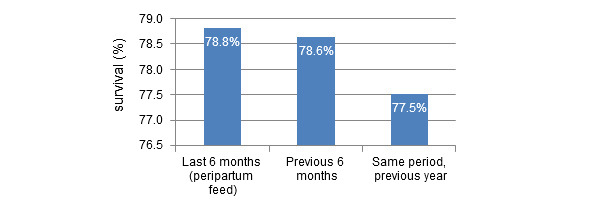
Graph 1. Survival of weaned piglets in relation to the number of total births during the last six months (peripartum feed used) compared to the previous six months and to the same period last year (periods when a specific peripartum feed was not used.)
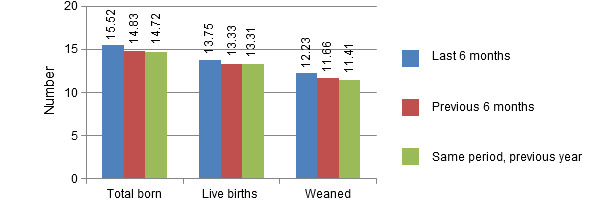
Graph 2. Number of live births, total and weaned piglets per litter in the last six months (peripartum feed used) compared to the previous six months and to the same period last year (periods when a specific peripartum feed was not used.)
Conclusions
Peripartum is a critical period, that may determine what will happen both at farrowing and lactation. Nutrition can contribute small steps forward that lead to significant improvements in pig production.
Whilst in this case the number of total births, rather than the live births, has increased, the piglets presented greater vitality and survival than before.
The handling disadvantages derived from the addition of an extra feed to the feeding program of the sow, and from having to give it manually —with the handicap of having to enter the farrowing pen since in this farm the sows are facing the wall—, are outweighed by the improvement in production results and decrease in the number of farrowing problems, with the consequent decrease in work and use of antibiotics, given that fewer litters need to be treated.
An increase in total lactation feed intake was also seen, resulting in greater homogeneity and weight of the litters. This also reduced number of dead animals and under-developed piglets at nursery.
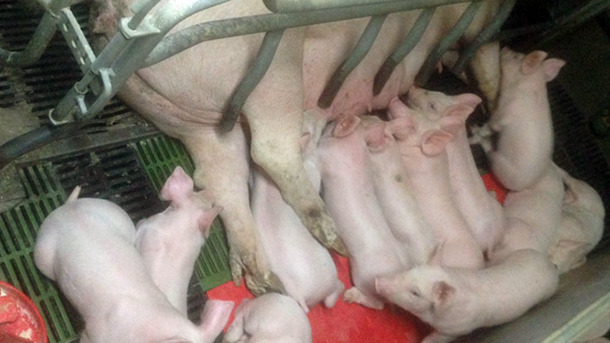
Figure 3. Lactating sow (courtesy of Farm Escoda).