
Nutritional strategies to prevent post-weaning E. coli enterotoxaemia
07-Jul-2015 (11 years 3 months 17 days ago)
Introduction
A balanced microflora encourages proper development and maturation of the enteric mucosal immune system —where up to 65-70% of defence cells are produced—, reducing the risk of post-weaning colibacillosis. When designing nutritional strategies, we must consider the sow, the piglet, and their flora.
Piglet weight is an important risk factor, both at birth and at weaning. The lower the weight, the higher the risk of colibacillosis disorders. Sow nutrition during the first and last month of gestation, peripartum and lactation helps us reduce the incidence of post-weaning E. coli enterotoxaemia in piglets (Picture 1).
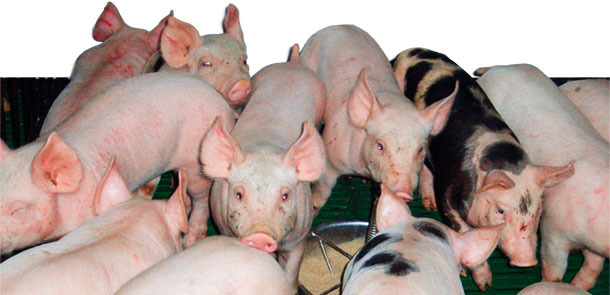
Picture 1: High piglet weight at weaning ⇒ Reduced risk of disease by E. coli.
Pre and post-natal gastrointestinal development is a dynamic process that prepares the piglet for its future growth. Before the farrowing, maturation of the gastrointestinal tract is influenced by the luminal stimulus and hormonal factors. Gastrointestinal tract growth is very fast in the last weeks of gestation, and it undergoes changes in its maturity linked to the acidity of the stomach, the concentration of chymotrypsin and pancreatic amylase, the levels of intestinal trypsin and lactase, and the absorption of glucose and proteins.
From a nutritional point of view, there are 2 key moments in the development of the piglets GI tract: the immediate post-farrowing period and the immune gap at 3-6 weeks of age.
Colostrum intake plays a major role in the growth and maturation of the GI tract (Pluske, 2015), and adequate intake as the piglets first nutrient is essential for reducing the incidence of colibacillosis during lactation and subsequent phases.
The immune gap at 3-6 weeks being the time of greatest risk, is when we must ensure that piglets ingest a sufficient quantity of feed to meet their basic needs without altering the gastrointestinal flora, which is highly dynamic at 2 -3 weeks post-weaning.
After weaning, piglets have high nutritional requirements for optimal quality drinking water (both physico-chemical and microbiological), which is the nutritional foundation supplementary to feed. From a nutritional point of view, drinking water is one of the most important sources of neonatal diarrhoea (it makes up 10% of a piglet liveweight). The role of drinking water is essential both in maintaining basic body functions (thermoregulation, homoeostasis, transport of nutrients and hormones, water balance, protein synthesis and tissue growth and maintenance, etc.), and in influencing the piglets' behaviour: if piglets don't drink enough water, they will not eat enough feed to cover their basic needs.
The aim of the main nutritional strategies (involving both basic principles and additives and raw materials) is to ensure a beneficial effect on the digestive flora of piglets and their intestinal health after weaning, thus reducing the risk of colibacillosis. The influence of the GI tract commensal flora (> 1,000 species) on pigs health is greater than previously thought (Lewis, 2013).
A. Recommendations on nutritional principles
- Protein: Supply a maximum of 20%, since piglets will only digest up to 45% of it. Its metabolism results in an increased production of biogenic amines, that alter the digestive flora. Piglet feed must include highly digestible protein (> 85%) with a high ratio of animal to vegetable protein.
- Lipids: They are the major source of energy in feed for piglets. Their contribution is essential for protein synthesis and for a good piglet growth rate. Sources of highly digestible and high nutritional quality fats are required (low percentage of acidity and peroxides, and well stabilized). For example, fish-, soybean- or coconut oil, shortening, or lecithins. Lipids also provide energy for the digestive flora and facilitate its balance.
- Carbohydrates: Sugar sources as easily assimilated energy sources (lactose, dextrose) provide us with a quality source of energy to feed the saprophytic flora and have a lower risk of diarrhoea up to the age of 6 weeks. These carbohydrate sources are not recommended after this age due to the change of digestive flora and endogenous enzyme production that occur in the piglet. Including resistant starches types 1-3 in the diet may beneficially alter both the microbiota and the production of short chain fatty acids. Diets containing enzymatically modified corn starch (resistant starches, type 4), we might find changes in the flora with an increased number of enterobacteria vs lactobacilli in the ileum, leading to increased fermentation in the large intestine and increased production of short chain fatty acids.
- Fibre: First stage feeds must have low levels of insoluble fibre and some amount of fermentable soluble fibre in order to maintain the balance of the digestive flora and to not accelerate intestinal transit, already very fast in newly-weaned piglets.
B. Recommendations on raw materials and additives
- Organic acids: They regulate pH and pK in the intestinal lumen, thus preventing the proliferation of pathogenic flora.
- Exogenous enzymes (alpha galactosidase, amylase, peptidase, glycosidase). The response of the digestive flora to the addition of enzymes depends on the state of the piglet and the digestibility of the essential nutrients in the feed.
- Phytobiotics: Certain essential oils have a bactericidal and/or bacteriostatic —as well as antioxidant and immuno-stimulant— activity.
- Glutamine: It improves the digestive tract morphology and physiology.
- Organic minerals: Especially Copper and Zinc, due to their greater absorption when compared to inorganic sources.
- Nucleotides: They improve digestive health and the development of the immune system in piglets. Recent studies show a positive effect when given to lactating sows.
- Pre-biotics: Their activity is focused on improving the enteric immune system (mainly manno-oligosaccharides and fructo-oligosaccharides).
- Pro-biotics: They help maintain the stability of the intestinal microflora (favouring the balance of saprophytic vs pathogenic flora), while improving the immune development in piglets.
- Animal protein: Its inclusion in first stage feeds for the first 3 weeks after weaning provide a better development of the digestive system and the enteric immune system, reducing the risk of post-weaning colibacillosis. The younger and lighter at weaning the piglet, the more important it is (Picture 2).
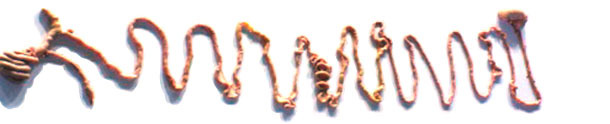
Picture 2: Digestive system of a 23-day old piglet.